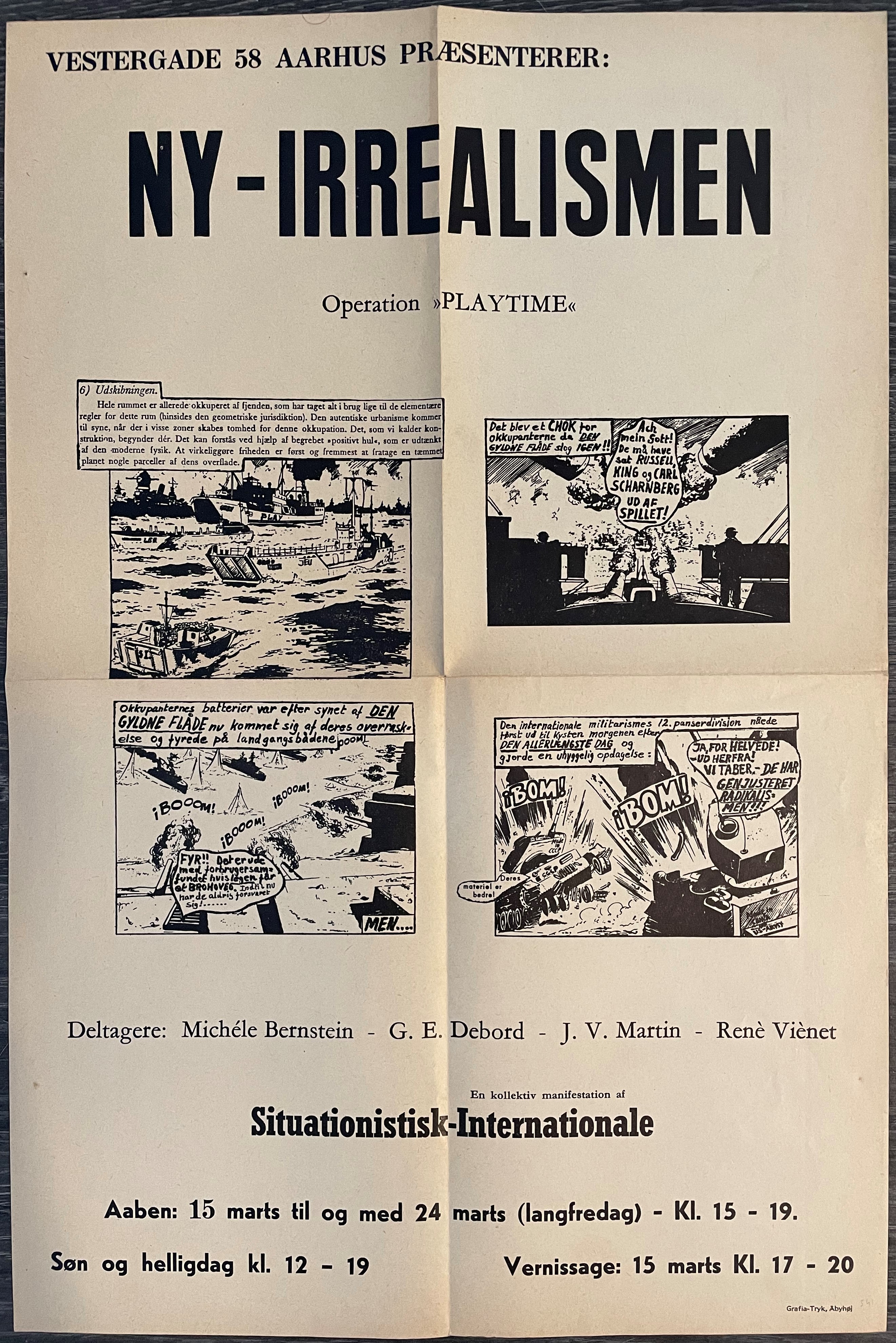
Poster of the exhibition of anti-paintings by Michèle Bernstein (The Victory of the Spanish Republicans) and J.V. Martin (the Golden Ships series), and five Nothing Boxes by René Viénet. “In March 1967, the same year Debord and Vaneigem’s books appeared, Martin organized another Situationist exhibition in Denmark called ‘Operation Playtime.’ This time the exhibition took place in Aarhus at Galleri Forstesalen. The gallery was located on the first floor at Vestergrade 58, a very vibant local jazz house…” (Rasmussen, Mikkel Bolt. Playmates and Playboys at a Higher Level: J. V. Martin and the Situationist International, p.34)
Scheppe & Ohrt 541. Not in other bibliographies. We do not locate copies on OCLC or in the trade of this rare poster
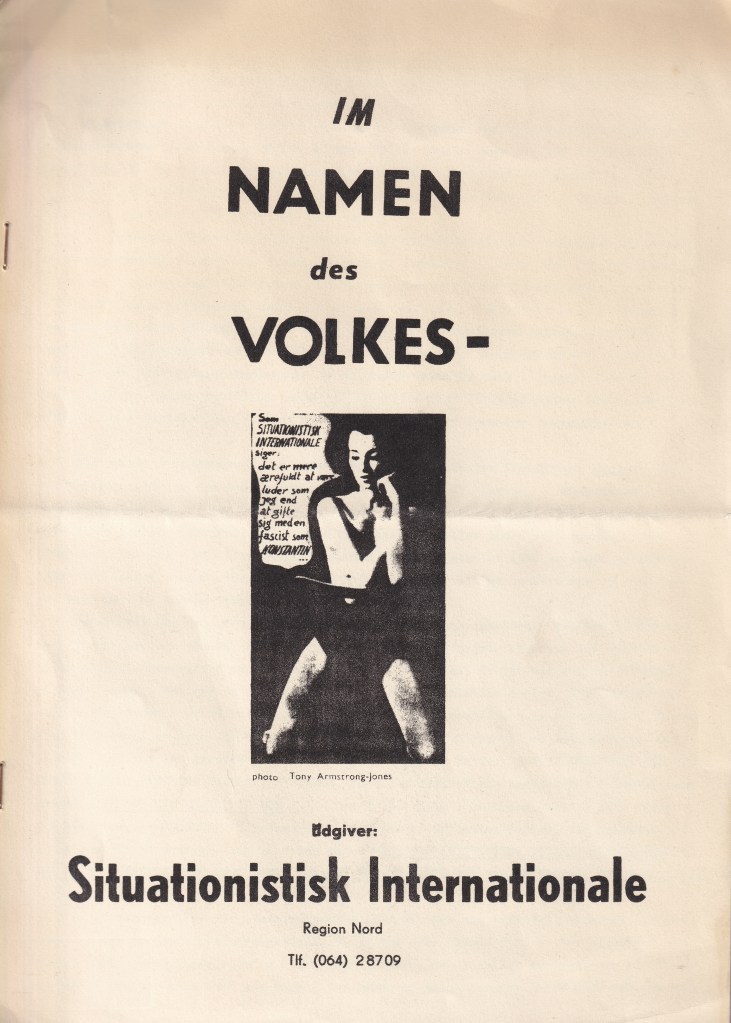
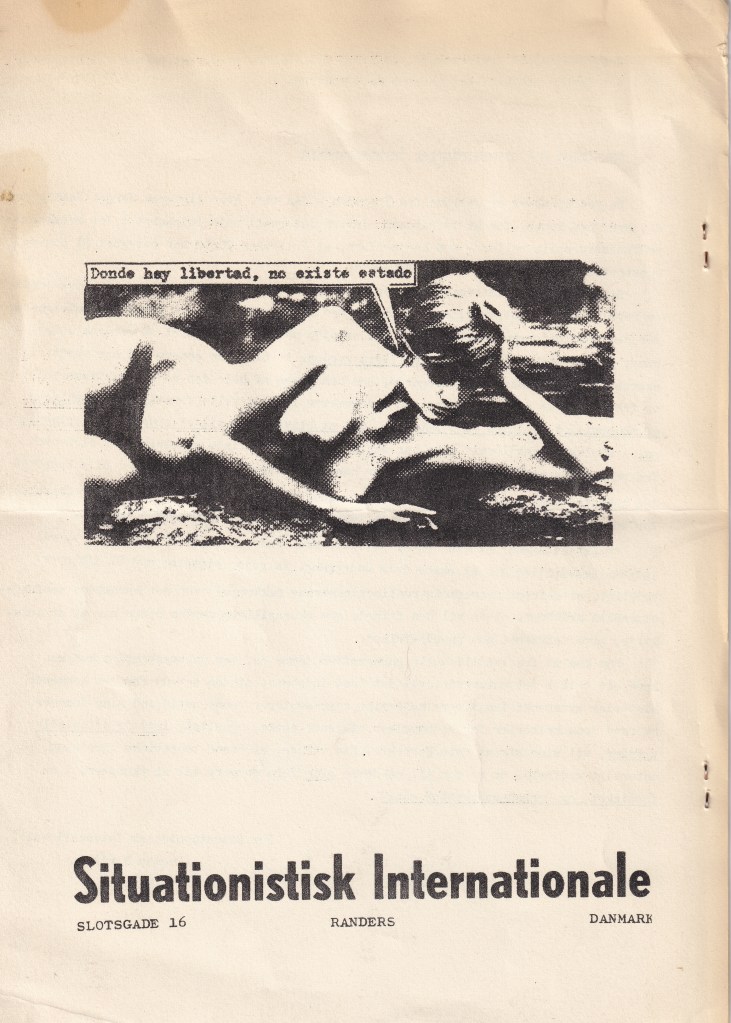
MARTIN, J.V.. Im Namen des Volkes. Randers: Situationistisk Internationale, n.d. [1965]. n.p. [11 p.]; 21 x 30; ill. covers with detourned comics.
Short pamphlet by J.V. Martin on the trial against the Scandinavian section of the Situationist International. Danish courts later dropped all charges. Ends with the words “There is no state!” (translation is mine).
“IN DENMARK IN FEBRUARY 1965, J.V. Martin published his comments — weighed down by worsening conditions — on the proceedings instituted against the SI by the local branch of “Moral Rearmament” (Im Namen des Volkes). Danish translations of these texts were published by the Left socialist journal Aspekt: in its first issue, under the title To Realize Philosophy, To Realize Art… (Internationale Situationniste #10)
Raspaud & Voyer 117. Not in Scheppe & Ohrt. We locate no copies on OCLC or in the trade.
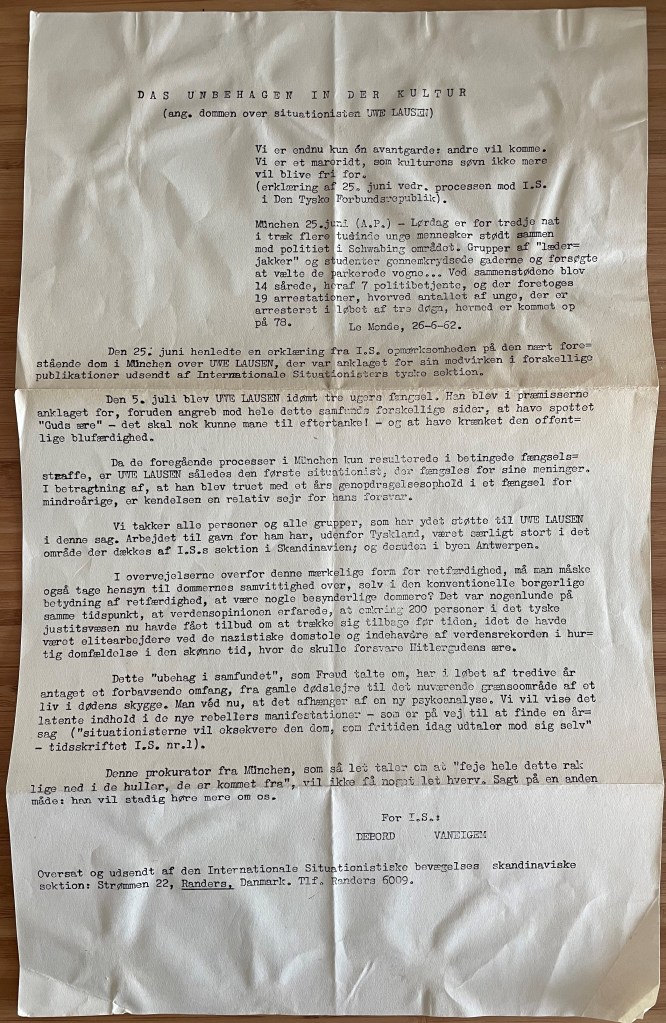
DEBORD, Guy; VANEIGEM, Raoul. Das Unbehagen in Der Kultur (ang. dommen over situationisten UWE LAUSEN). Randers: Internationale Situationistiske, [1962]. 1 p. leaflet (single-sided); 21.5 x 34.5 cm.; black ink on white stock.
Danish translation of the French-language leaflet (Das Unbehagen in Der Kultur – A Propos de la Condamnation du Situationniste Uwe Lausen), issued in Paris in July 1962.
Signed by Debord and Vaneigem, the text denounces the sentencing of Uwe Lausen (a member of the German section of the SI) to a year-long prison term for “blasphemy” as part of the trial against SPUR. It follows the Declaration sur les Proces contre l’Internationale Situationniste en Allemagne Federale, issued on June 25, 1962, and which denounced the trial itself.
While the original French leaflet included a photography of a young Uwe Lausen, it is not present in the Danish leaflet. Further, while the original leaflet was released on 21 x 29 cm paper, this version is on 21 x 34.5 cm paper. Finally, the address of the SI in Randers (instead of Paris) is listed at the bottom of the page. This Danish translation of Das Unbehagen in Der Kultur will appear in Situationistisk Revolution 1 (October 1962); this leads us to believe that this leaflet was distributed in Denmark during the summer or Fall of 1962
Not in Gonzalvez, BNF, Raspaud & Voyer, Scheppe & Ohrt, and any of the main bibliographies. We locate no copy on OCLC or in the trade
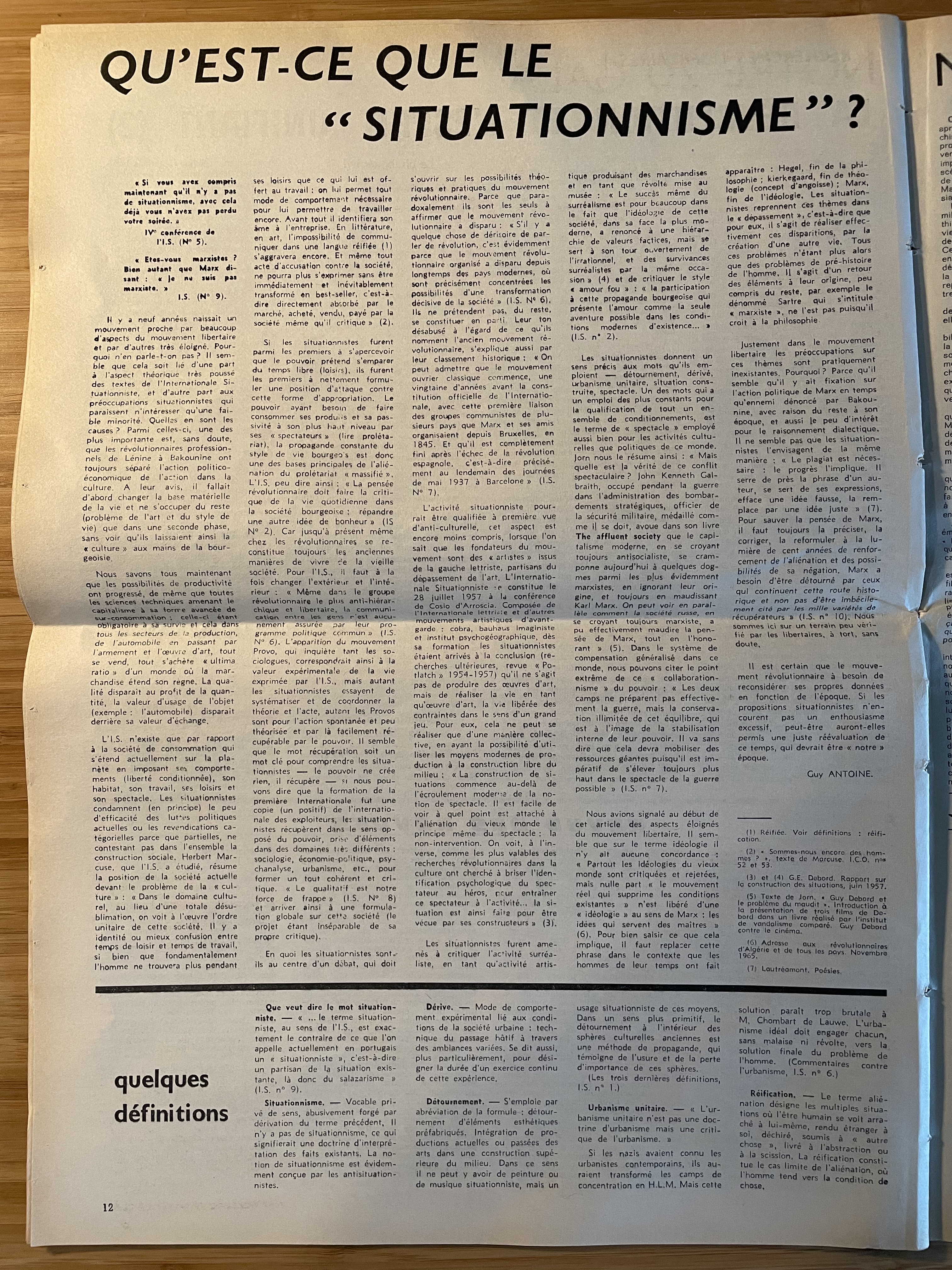
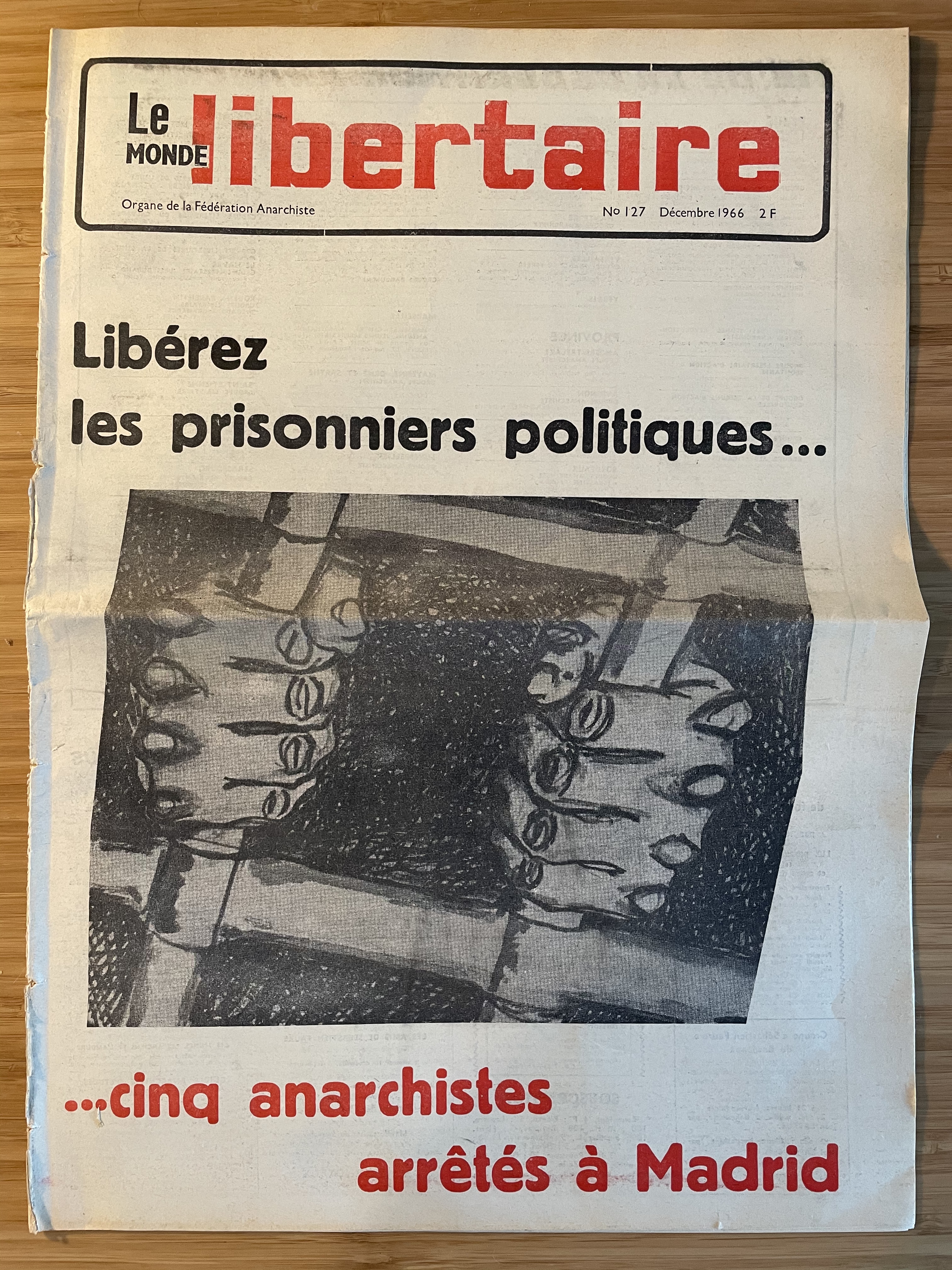
[BODSON, Guy] ANTOINE, Guy (pseud). “Qu’est-ce que le “situationnisme” in Le Monde Libertaire: Organe de la Federation Anarchiste. Paris, December 1966. 16 p.; ill.; two-sided printed on newspaper stock
This article, authored by Guy Bodson and published in Le Monde Libertaire, is the opening salvo of an internecine war within the Federation Anarchiste. Written under the pseudonym of Guy Antoine, the article offers a panegyric of the Situationist movement just a few months after the publication of De la Misere en Milieu Etudiant and the “Strasbourg scandal” in the Fall of 1966. The Situationist brochure had openly criticitzed the Federation Anarchiste: ““These people actually tolerate everything because they tolerate each other. ” Bodson, who was then a member of the editorial committee of Le Monde Libertaire, was quickly rebuffed by his colleagues. In the January 1967 issue of Federation Anarchiste, C-A Bontemps responds to Bodson in the most direct terms (translation is mine)
Guys your age are, in fact, unable to read the anarchist newspapers and pamphlets of the various tendencies that flourished during the 1900s. Because of this, they do not realize that they are discovering America. The texts of the brochure in question, I read them verbatim (style, intentions, insults) dozens of times before 1914. The Provos replace, less well, the activists of direct action. The Beatniks have replaced the individualists who wanted to be anti-social and, like many of these, they fall into line at age 25. "Situationist theory is therefore not as novel as it is said."
Early in 1967, the editorial committee of Le Monde Libertaire is dissolved by Maurice Laissant. This leads to allegations of authoritarianism on the one hand, and the fear of a Situationist plot against the Federation Anarchiste on the other. Ultimately, this will lead to a split in the Federation Anarchiste. This story is discussed at length in La FA et les Situationnistes
Perhaps more importantly, Qu’est ce que le “situationnisme” is viewed by Debord as “the best article ever written on the subject” (Letter to Guy Bodson dated 11 Decembre 1966, see Correspondance vol. 3, p.180), and is thus worth a read.
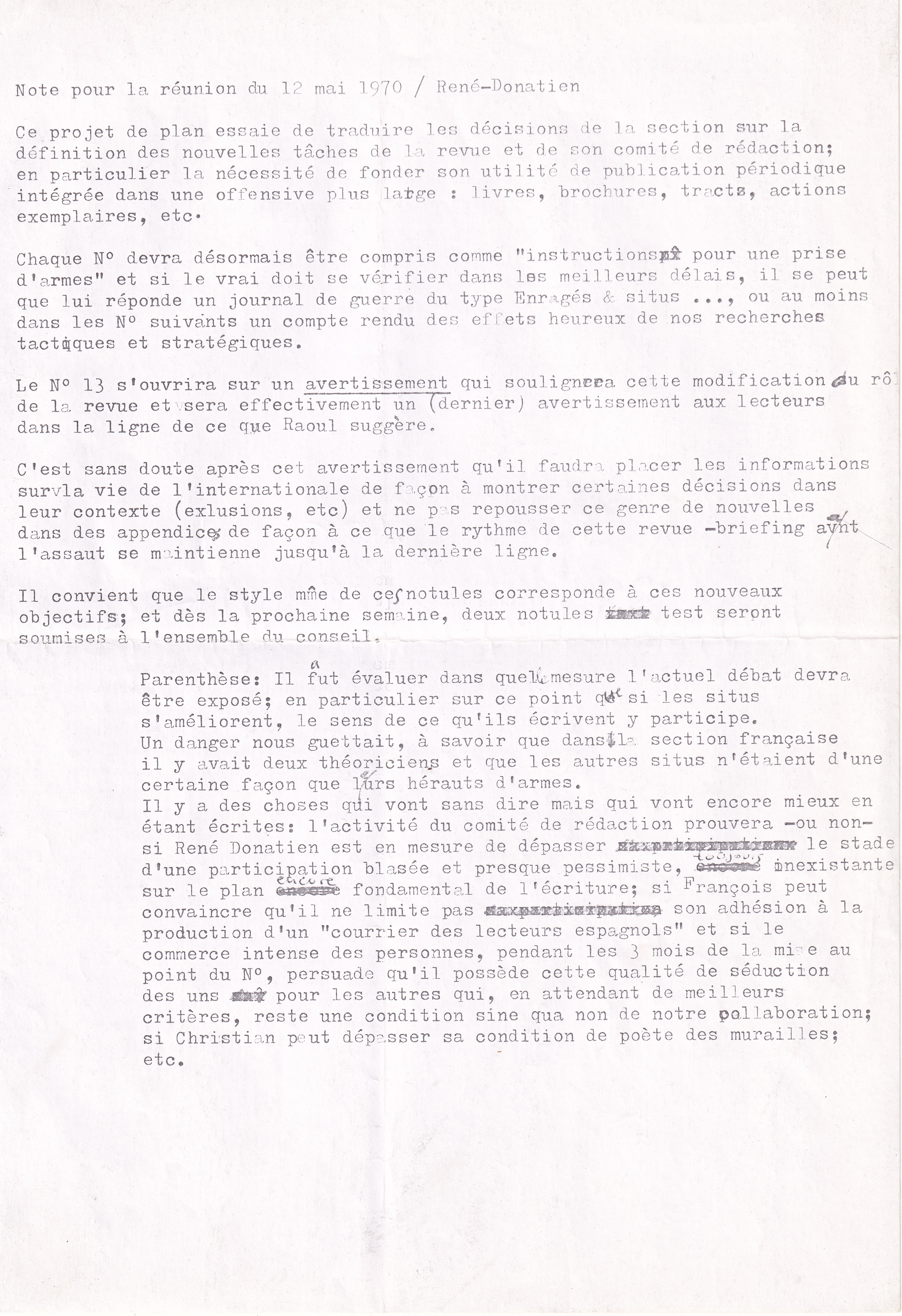
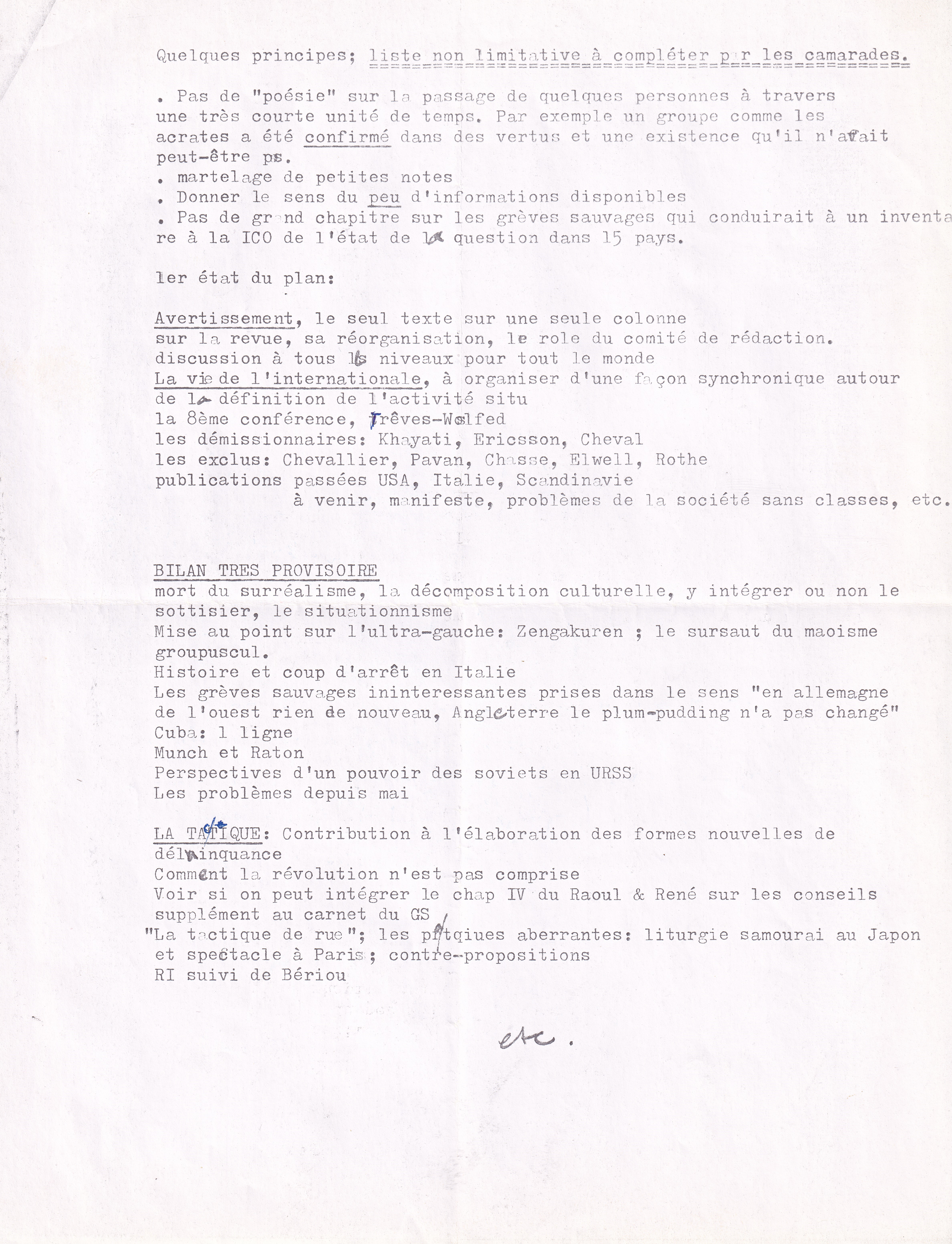
[VIENET, Rene] RENE-DONATIEN. Note pour la réunion du 12 mai 1970. n.p. [Paris], May 1970. 2 pp. (single sided); 21 x 27 cm. Black ink on thick white stock; two small edits in blue ink.
Important internal document that documents changes to be made to Internationale Situationniste ahead of issue #13 (which would never be released). Specifically, the issue was to open with a warning (Avertissement) penned by Debord. Includes a draft of the table of contents.
Original preparatory material to this last issue – including a draft of both the Avertissement and an (earlier / different) table of contents – can be found as part of the Gianfranco Sanguinetti archive (box 50), held at the Beinecke Library of Yale University.
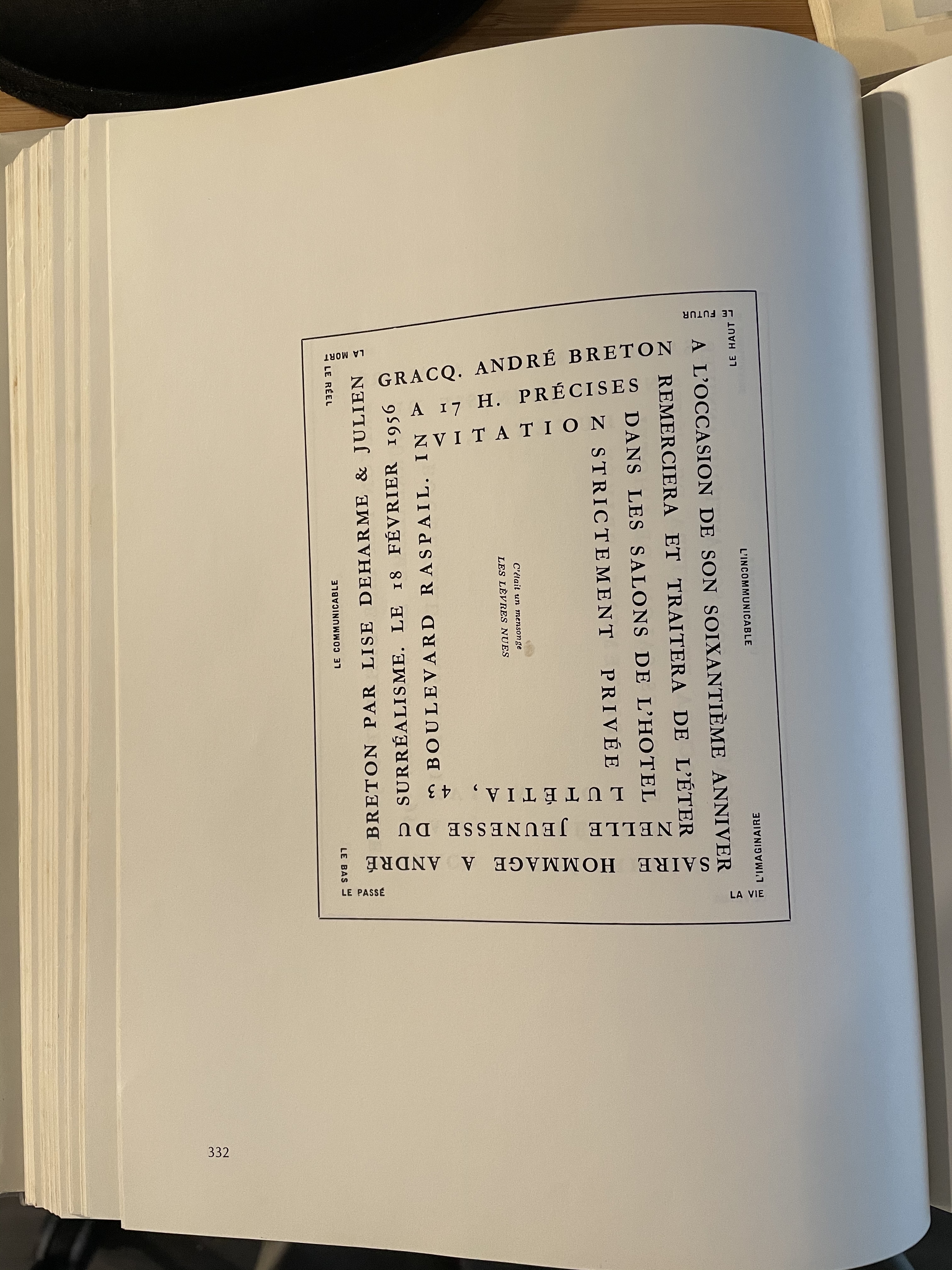
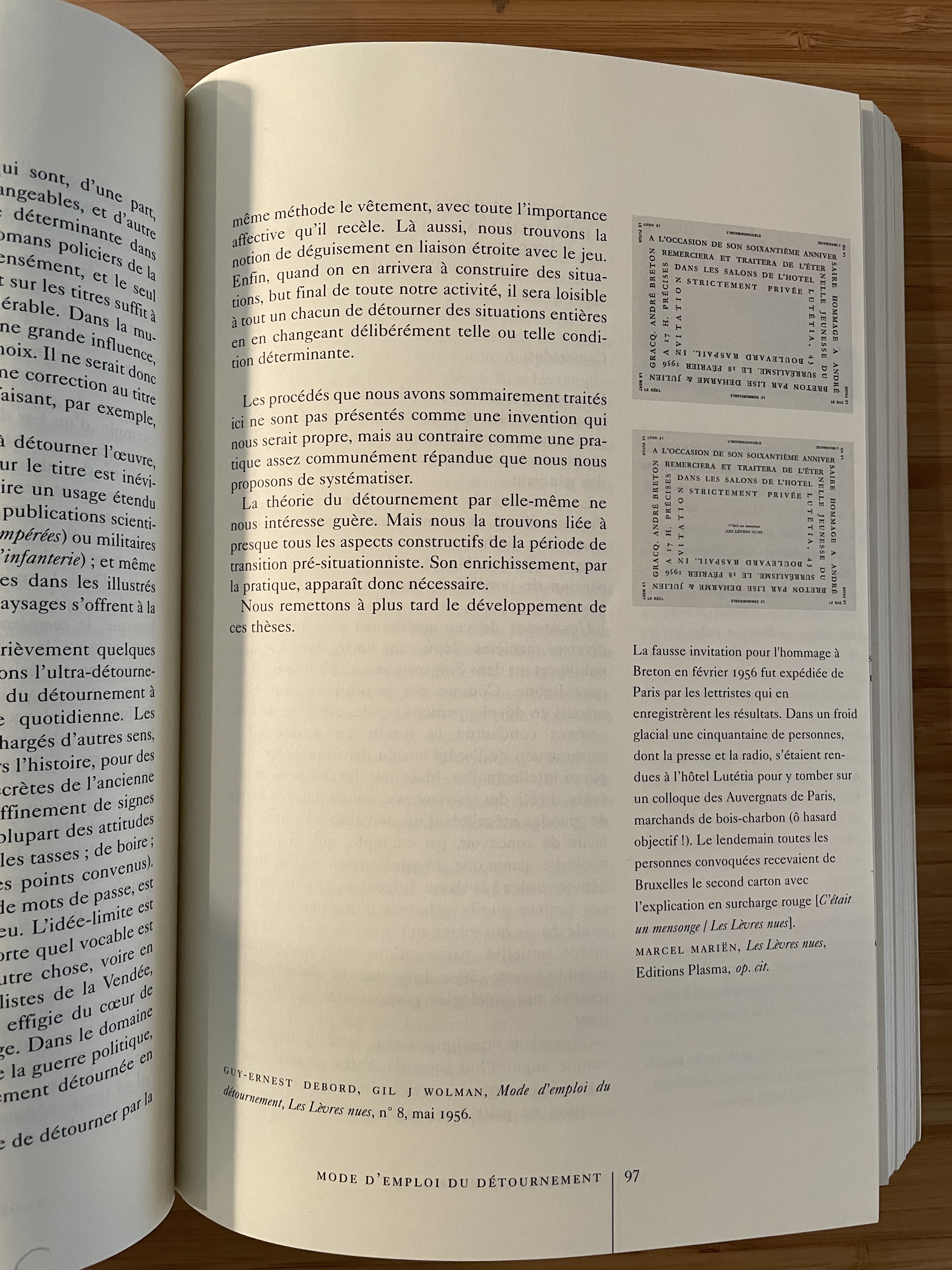
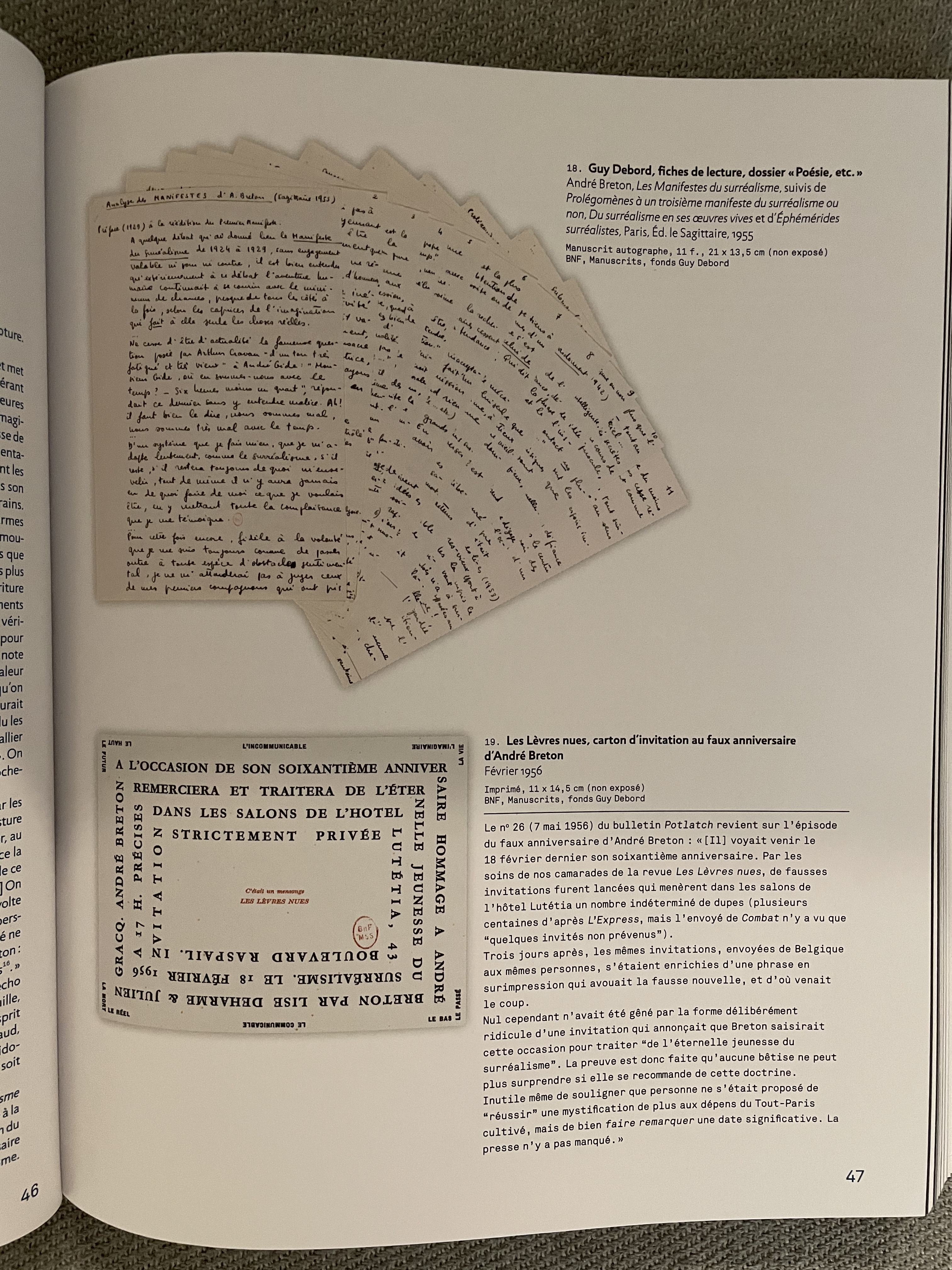
[LEVRES NUES and INTERNATIONALE LETTRISTE]. [A l’occasion de son soixantième anniversaire, hommage à André Breton…C’était un mensonge]. n.p. [Bruxelles, Belgium], n.d. [February 1956]. 1 p.; 14.5 x 11 cm.; black and red ink on cream stock.
Invitation card to a (fake) reception, to be held on the occasion of Andre Breton’s sixtieth birthday. The event was to take place on February 18, 1956 at the Lutetia, a luxury hotel located at intersection of Boulevard Raspail and rue de Sèvres in Paris. Guests who showed up at the agreed-upon date and place (just a handful according to French daily Combat, hundreds according to the weekly l’Express) soon realized they had been duped. Instead of a high-brow celebration of a Surrealist figure they stepped into a get-together of charcoal-wood merchants in Paris…
Marcel Marien and his comrades from les Levres Nues conceived the spoof. Invitation cards were mailed from Paris by members of the Internationale Lettriste. A few days later, a second invitation card was mailed from Belgium to the same recipients. It was identical to the first one, but admitted the wrongdoing (“c’était un mensonge” – “it was a lie”) and revealed its authors (“Les Levres Nues”). This is the one featured here
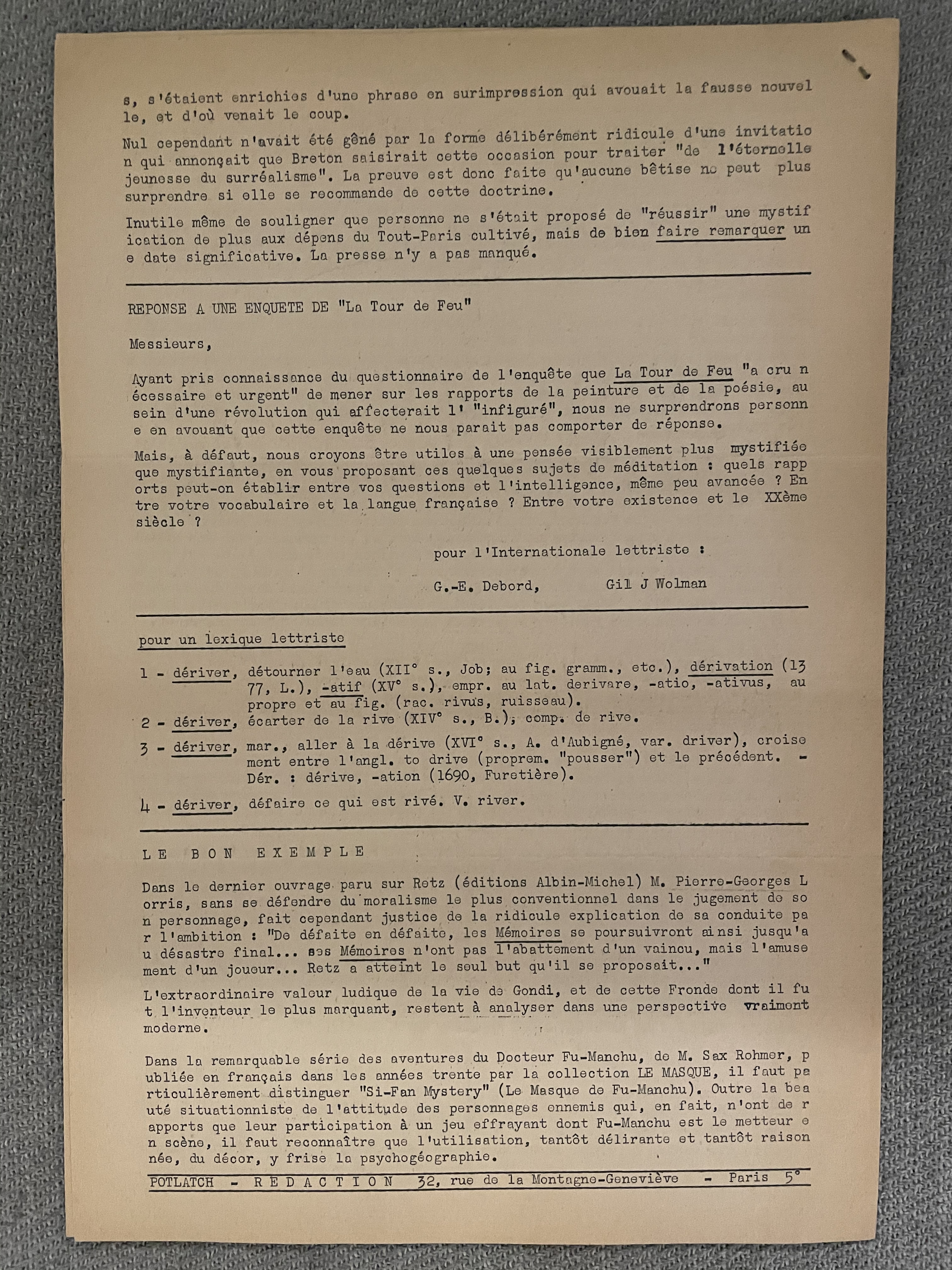
The spoof is celebrated in Potlatch #26 a few months later: “No one, however, had picked up on this deliberately ridiculous, which announced that Breton would seize this opportunity to discuss “the eternal youth of surrealism”
Referenced in Berreby p.332, BNF p.47, and Wolman (Defense de mourir) p.97. Not in Oeuvres or in Scheppe & Ohrt.
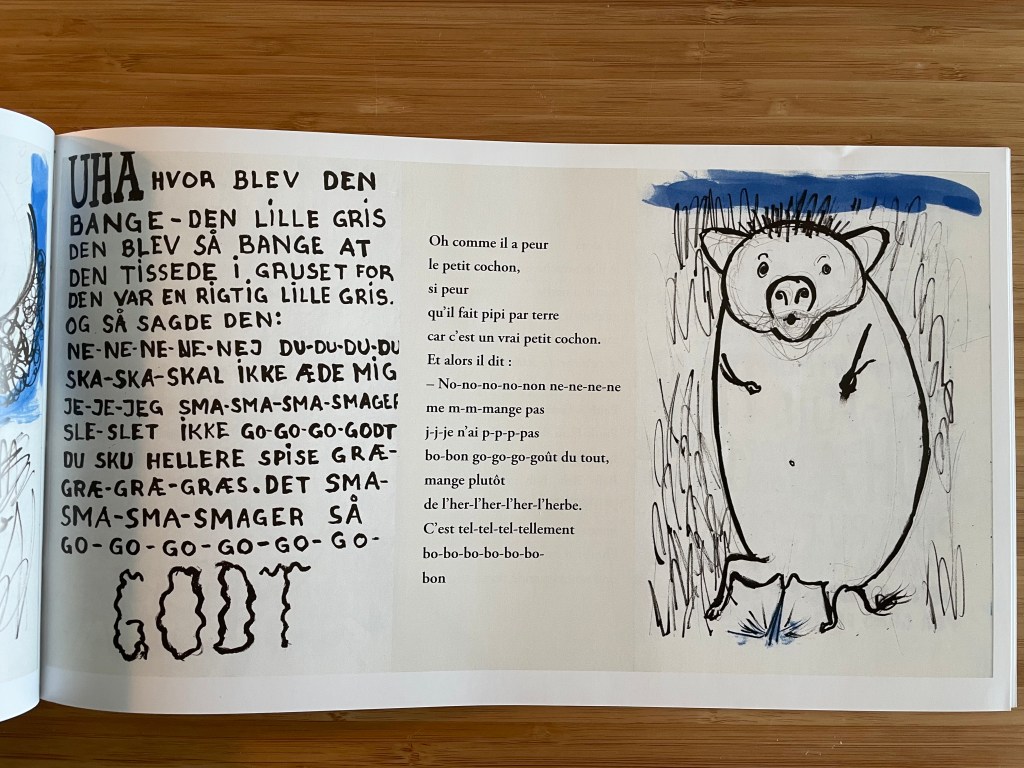
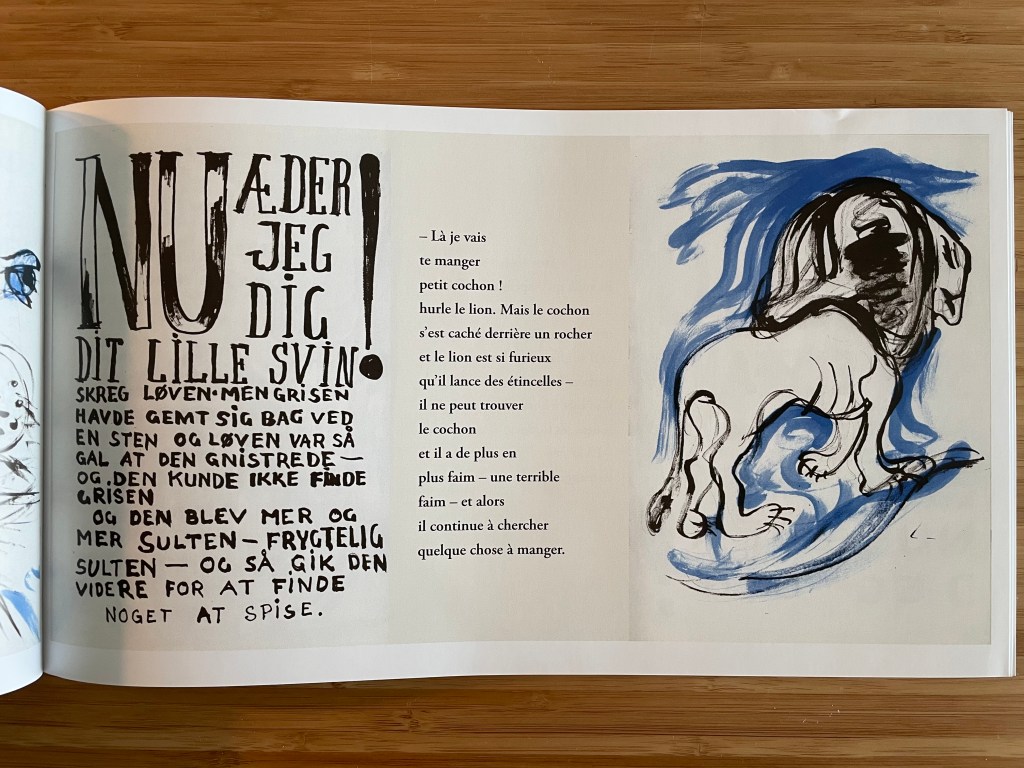
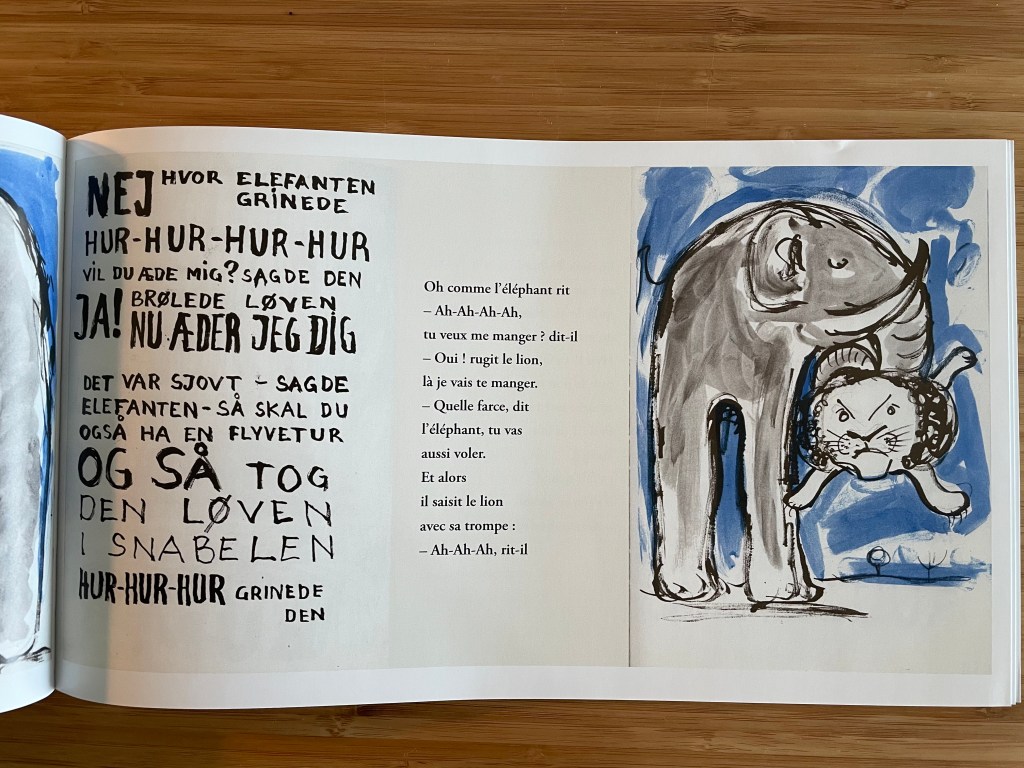
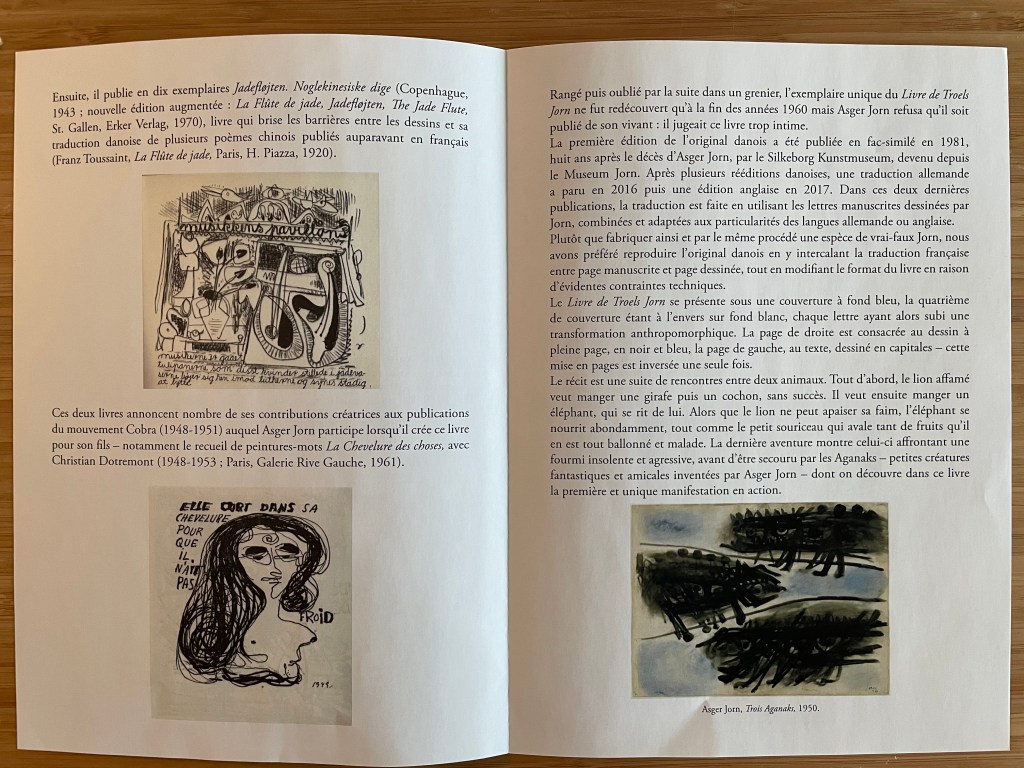
JORN. ASGER. [Troels Jorn] Livre de Troels Jorn. n.p.: Les Amis d’Asger Jorn / Edition privee hors commerce, 2020. n.p. [32 p.]; ill.; 32 x 18 cm.; ill. covers with text in black. 4-page presentation brochure (14 x 21 cm.) and bookmark (18 x 4.5 cm.) laid-in
First French language translation of a book composed by Jorn for his youngest son, Troels, in 1949. Troels was only four years old at the time, and Jorn was separating from Kirsten Lyngborg – his wife, former student, and mother of his three children. The artist considered the book too personal, and chose not to publish it in his lifetime. In 1981 – Eight years after Jorn’s passing – a first facsimile edition was released by the Silkeborg Kunstmuseum (now known as the Jorn Museum). The original Danish edition was reprinted a few times, and the book has been translated into both German (in 2016) and English (in 2017).
The book tells the story of encounters between two animals. First, a lion tries (and fails) to eat a giraffe, then a pig, then an elephant. The starving lion ultimately gets help from the Aganaks – small, fantastical creatures imagined by Jorn.
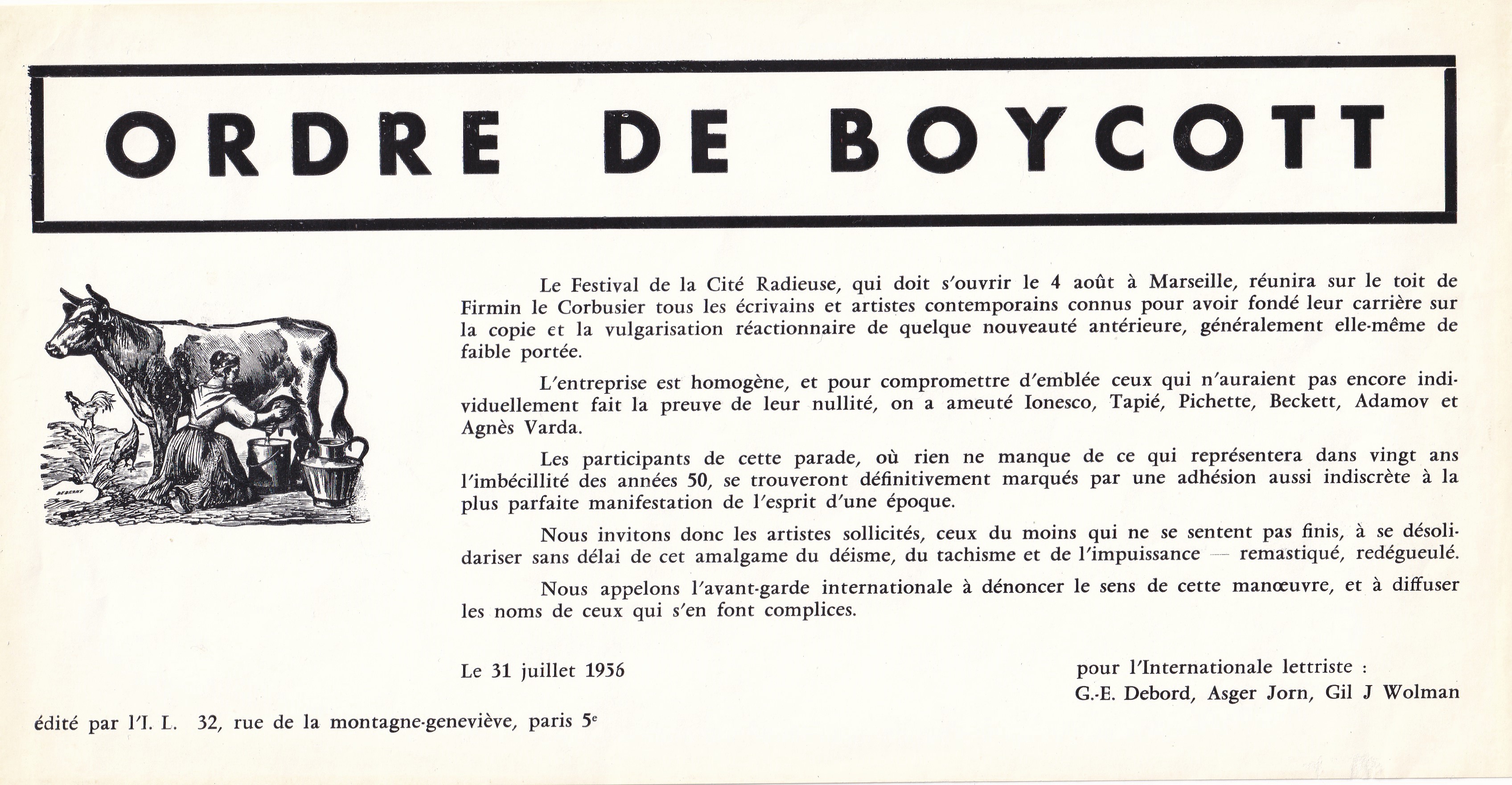
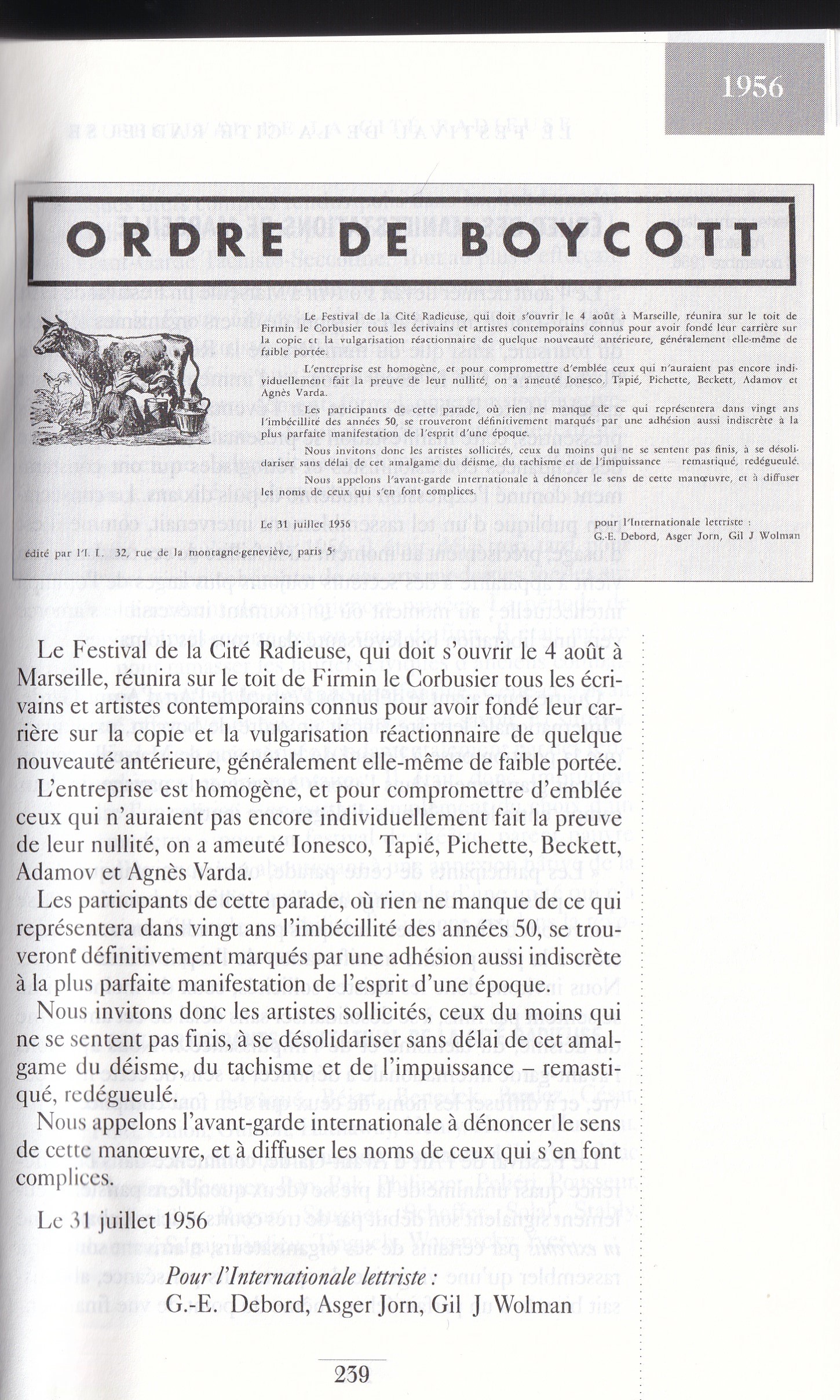
INTERNATIONALE LETTRISTE. Ordre de Boycott. Paris: Internationale Lettriste, 31 Juillet 1956. 1 p. (single-sided leaflet); ill.; 15 x 29 cm.; black ink on white stock
Rare leaflet by the Internationale Lettriste (signed by Debord, Asger Jorn, and Gil J. Wolman) issued on the occasion of the opening of Le Festival de la Cite Radieuse in Marseille on August 4, 1956. The avant-garde festival, to be held within Le Corbusier’s namesake building is the subject of a scathing attack from the Lettristes
La Cite Radieuse (Radiant City), a high-density residential development in Marseille built between 1947 and 1952, is seen as one one Le Corbusier’s most influential architectural works. It is thought by many to have been the main inspiration behind the Brutalist movement. The Lettristes, who harshly criticized Le Corbusier and functionalist architecture in general, took offense with this realization. Of note: Maurice Lemaitre, who had been excluded from the Internationale Lettriste, participated in the festival.
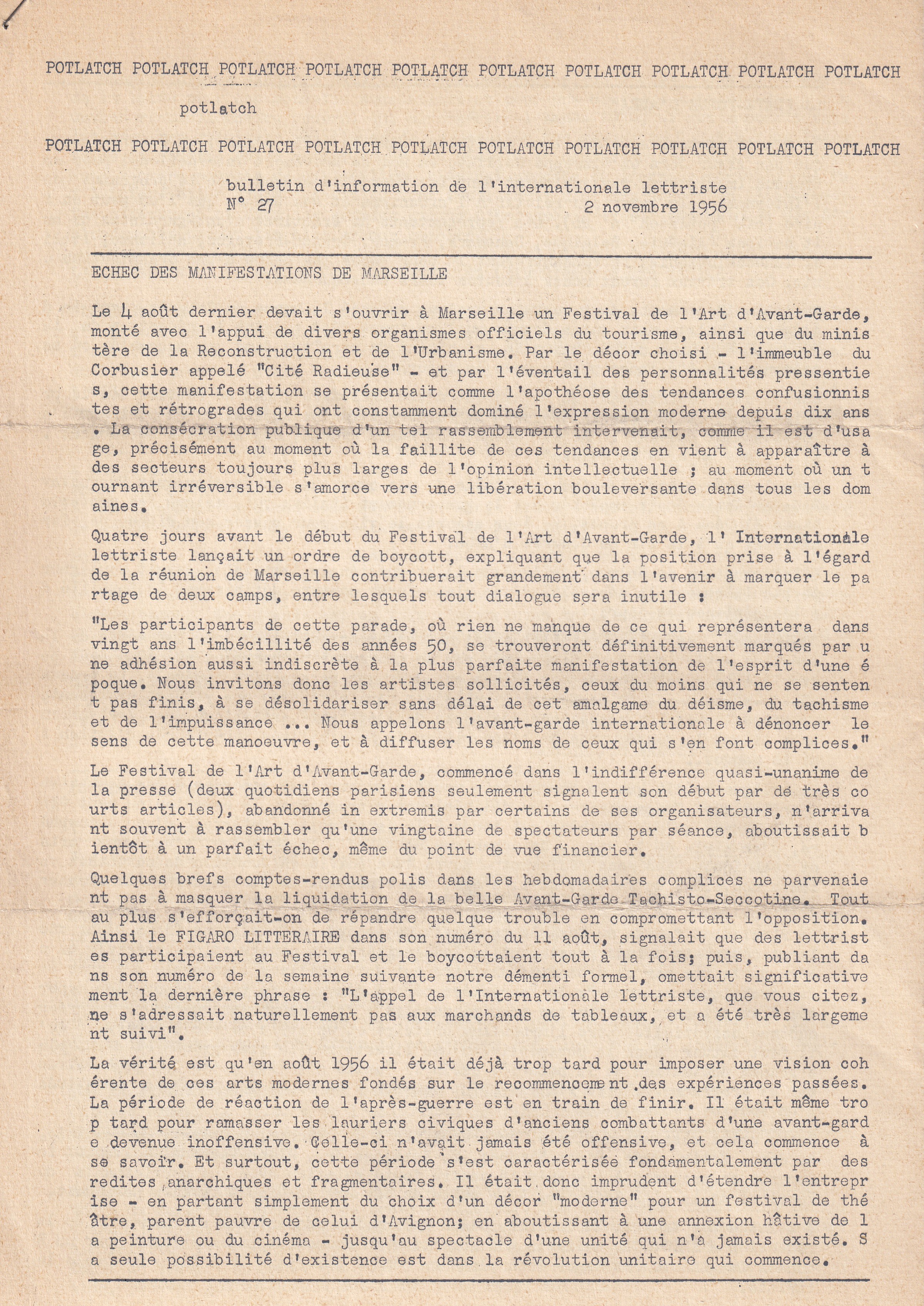
“Le 4 août dernier devait s’ouvrir à Marseille un Festival de l’Art d’Avant-Garde, monté avec l’appui de divers organismes officiels du tourisme, ainsi que du ministère de la Reconstruction et de l’Urbanisme. Par le décor choisi – l’immeuble du Corbusier appelé « Cité Radieuse » – et par l’éventail des personnalités pressenties, cette manifestation se présentait comme l’apothéose des tendances confusionnistes et rétrogrades qui ont constamment dominé l’expression moderne depuis dix ans. La consécration publique d’un tel rassemblement intervenait, comme il est d’usage, précisément au moment où la faillite de ces tendances en vient à apparaître à des secteurs toujours plus larges de l’opinion intellectuelle ; au moment où un tournant irréversible s’amorce vers une libération bouleversante dans tous les domaines. Quatre jours avant le début du Festival de l’Art d’Avant-Garde, l’Internationale lettriste lançait un ordre de boycott, expliquant que la position prise à l’égard de la réunion de Marseille contribuerait grandement dans l’avenir à marquer le partage de deux camps, entre lesquels tout dialogue sera inutile”. (Potlatch no. 27)
The text of the leafet is reproduced in full in Les Levres Nues no.9 (November 9, 1956) as part of “Histoire Marseillaise”. The article “Echec des manifestations de Marseille” in Potlatch no. 27 (November 2, 1956), provides details on the “happening” (see above) while sharing large excerpts from the leaflet For more details also see letters between Guy Debord and Marcel Marien in Correspondance Vol.0, pp.113-117
BnF p. 85. Gonzalvez p. 103. Oeuvres p. 239. Scheppe & Ohrt 143
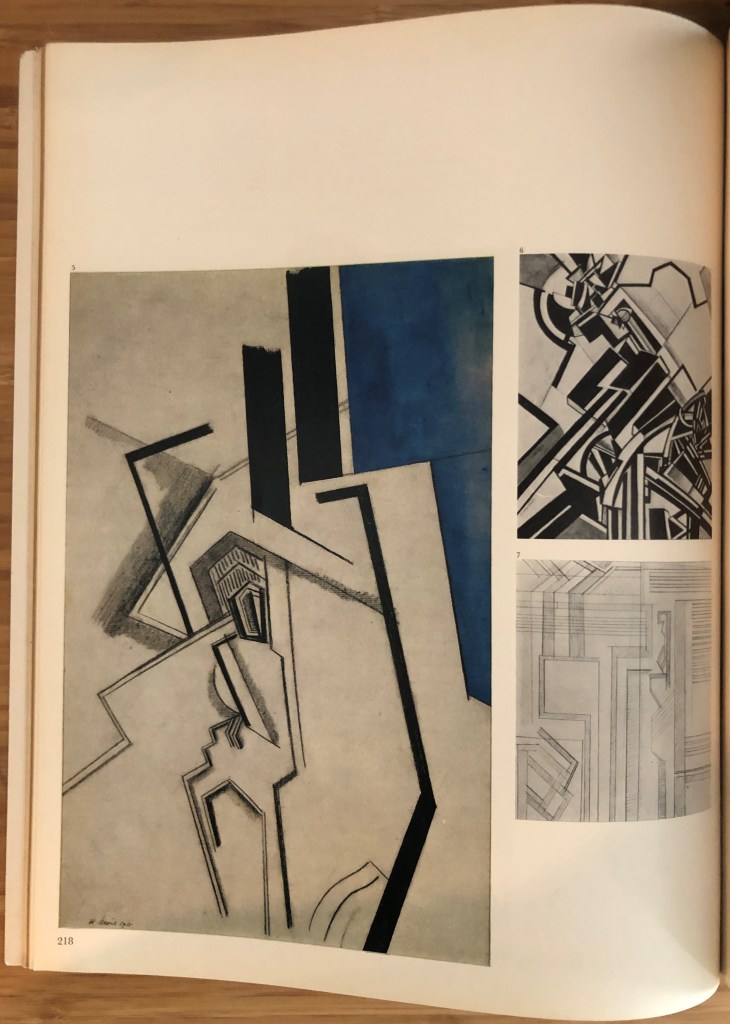
RUMNEY, Ralph. Kill John Bull with art! : what went wrong?. In Studio International Vol. 178, no. 917 (pp. 216-221). London: Cory, Adams, and Mackay, 1969. ca. 80 p. (i-xvi + 64 p. [numbered 201-264]); ill.; 25 x 31 cm.; ill. wrappers.
Rare piece by Ralph Rumney, published in the British arts magazine Studio International: Journal of Modern Art. Technically, the article is a review of the show Abstract Art in England 1913-1915, the first broad survey of the Vorticist movement. It was held at the d’Offay Couper Gallery in London from November 11 to December 5, 1969. But, as often with Rumney, it is so much more than that.
The British artist and former member of the Situationist International praises the exhibition, “likely to be the only occasion we shall have to see a considerable selection of important work from this period [1913-1915]” (pp. 216). He goes on to express his admiration for Vorticism, an avant-garde movement founded by (Percy) Windham Lewis and whose other members included the likes of Laurence Atkinson, William Roberts, David Bomberg, Edward Wadsworth, and others. Vorticists rejected landscapes and nudes in favor of bold, abstract geometric shapes. Its members – “all except one who were under thirty” (ibid) – were contemporaries of Mondrian, Malevitch, Arp, and others — but these artists were not yet known in England. In their only contemporary show in the UK at the Dore Gallery, Vorticists positioned their movement against Naturalism, Cubism, and Futurism all at once: “By Vorticism we mean (a) Activity as opposed to the tasteful passivity of Picasso. (b) Signifiance as opposed to the dull and anecdotal character to which the Naturalist is condemned. (c) Essential Movement and Activity (such as the energy of a mind) as opposed to the imitative cinematography , the fuss and the hysterics of the Futurists” (ibid). Vorticism is perhaps best remembered through the short-lived magazine Blast.
It’s easy to see what Rumney admires in the Vorticists: just like him (and the Situationists), they were young, bold, and not afraid to launch a frontal assault against artistic currents that gained notoriety in the public sphere.
In the second part of the article, however, Rumney goes to lament the aftermath of the movement. Specifically, he wonders how World War 1 effectively put an end to the great Vorticist experiment: “What happened during the war to change radically the attitudes of a group of rebel artists into near conformity? What was it only in Engand that the mainstream of art was interrupted and diverted” (pp. 221). He then hypothesizes that the eradication of cafes and meeting places leads to an atomization of the artistic sphere: “The art scene is broken into smaller groups who have only occasional and suspicious contacts with each other…in this sense of the the disappearance of an efficient working environment the war was indeed ‘bad for art’, and that the change from rebellion to a sort of conformity which eventually led us to the insipidity of Unit One was the product, akin to brainwashing, of an unfamiliar world on men suffering from acute mental strain” (ibid). Rumney then goes on to cite an article entitled Combat Neurosis Development of Combat Exhaustion, published in a journal of neurology and psychiatry, as evidence. He concludes: “we are left with the tantalising prospect of what might have been if these artists had recovered from their wartime experiences and gone on producing abstract art through the ‘twenties and thirties to compare the dim reality of art in England from 1915 to 1955” (ibid)
It’s hard not to see parallels between the Vorticists and the intense burst of artistic activity that characterized Rumney’s own years in the Situationist International.
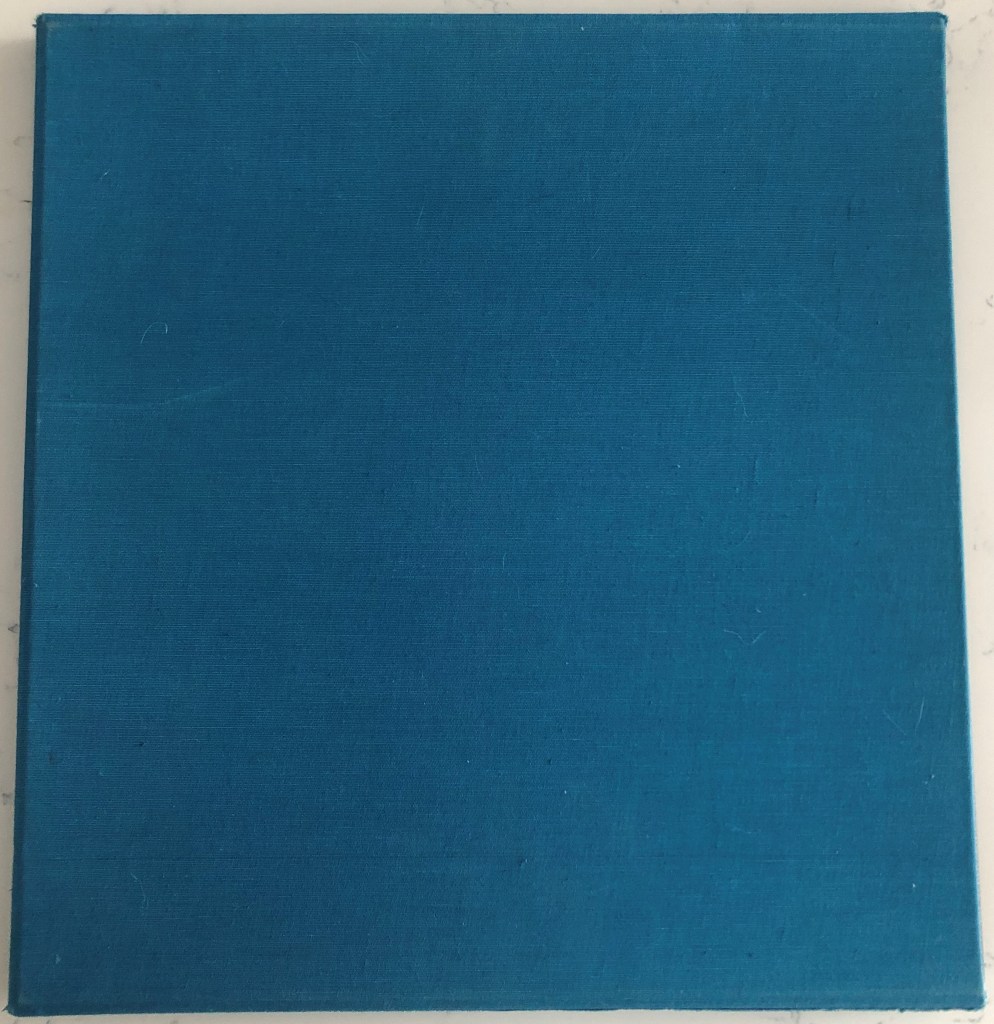
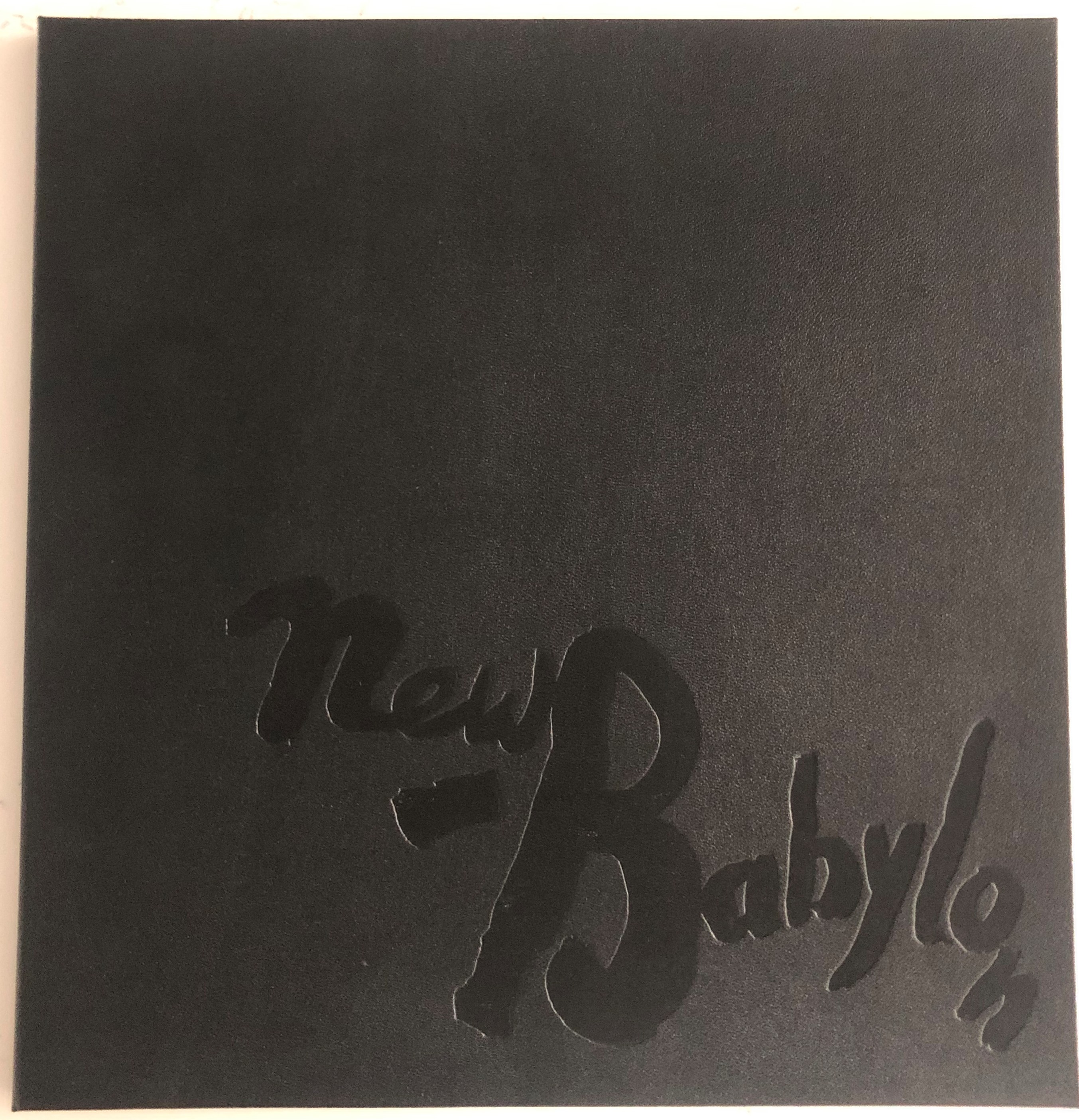
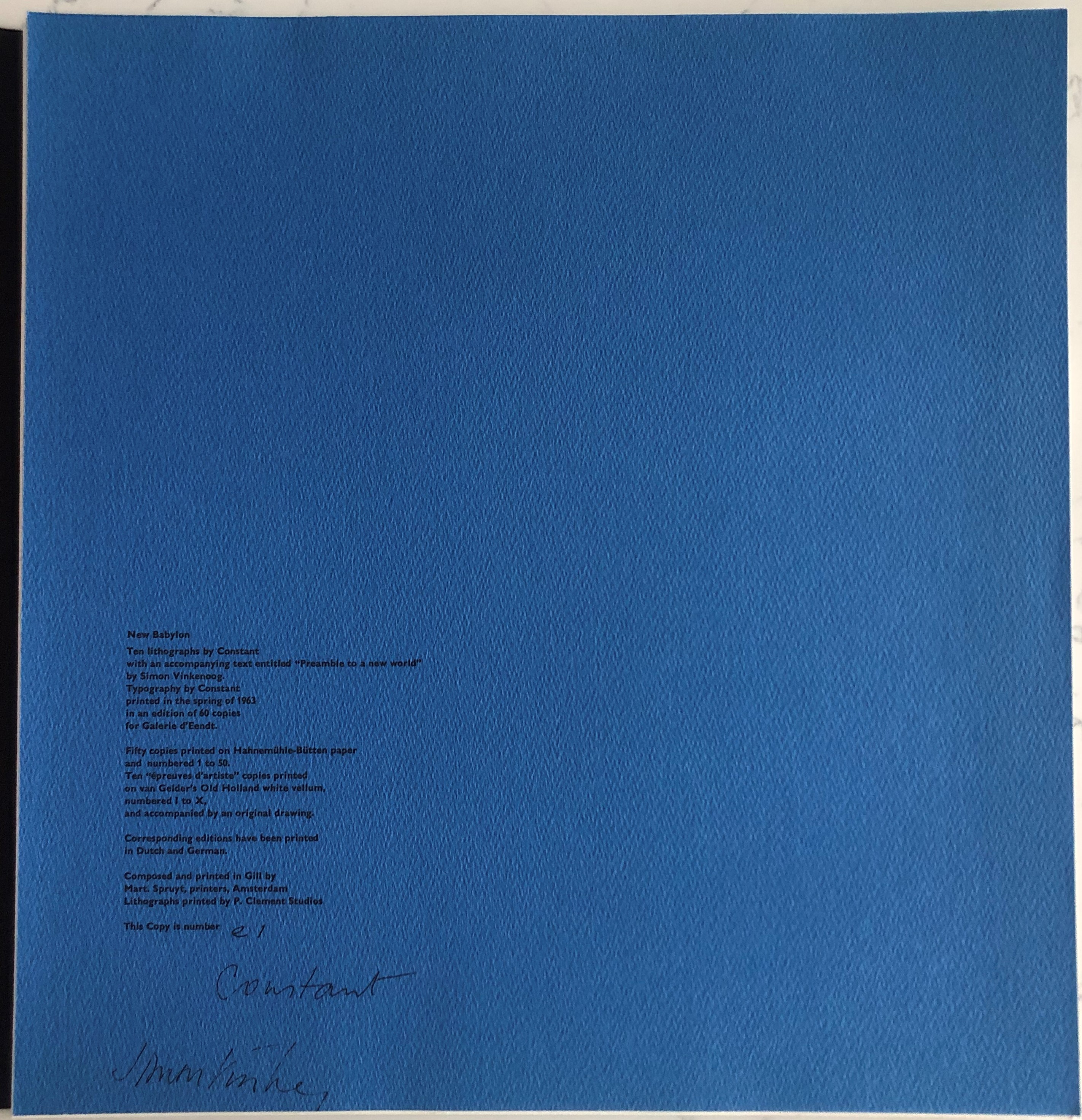
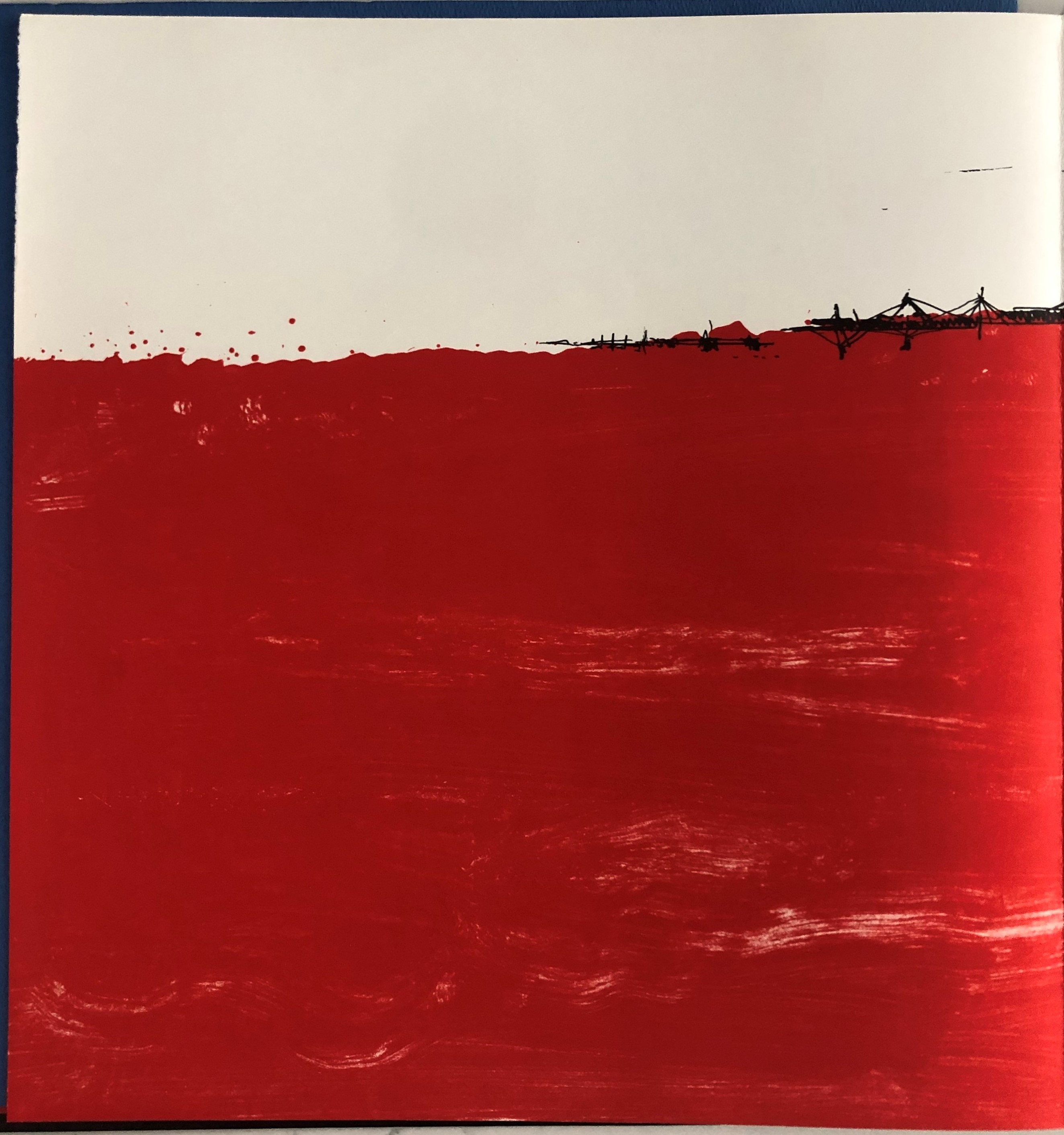
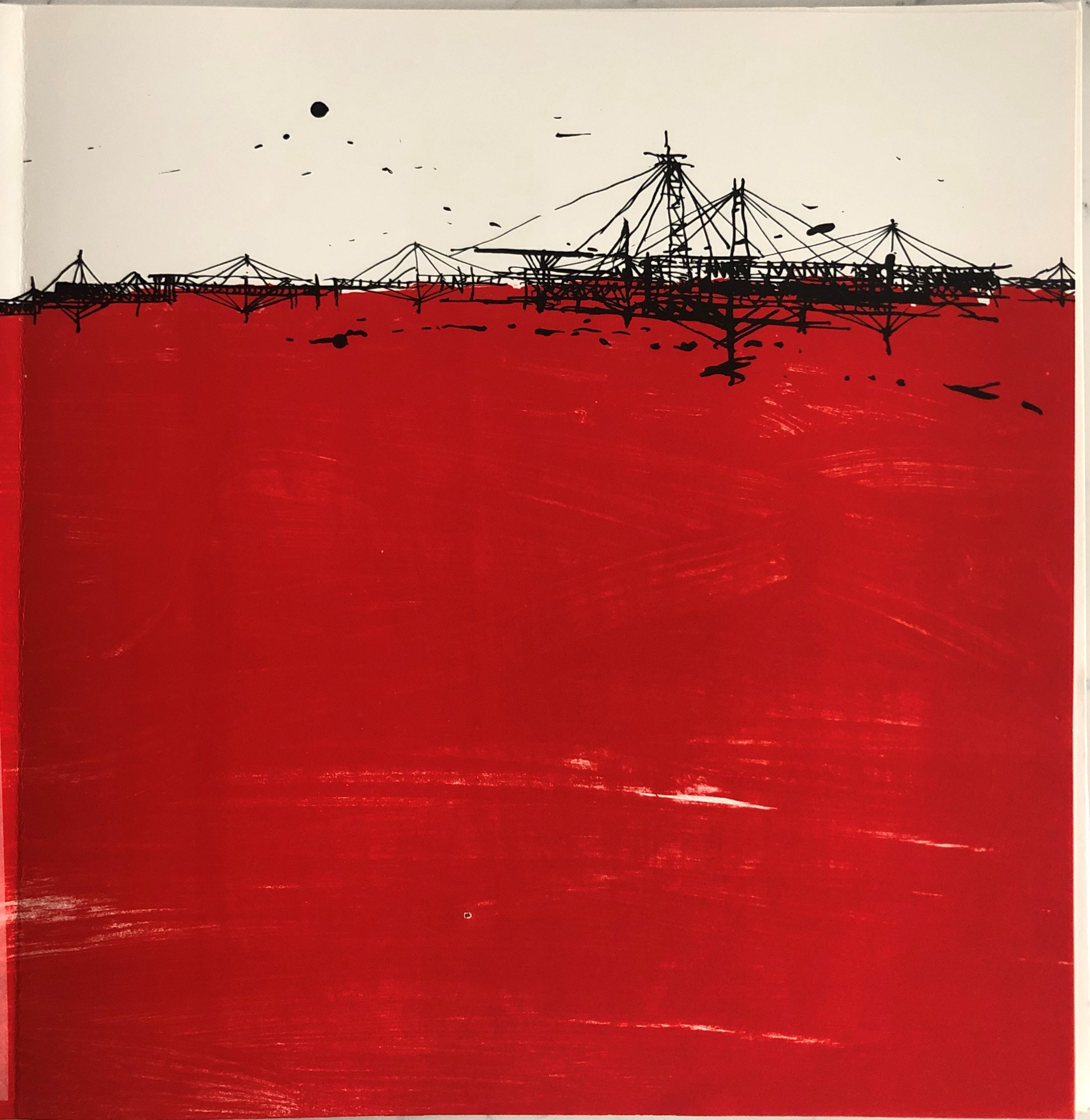
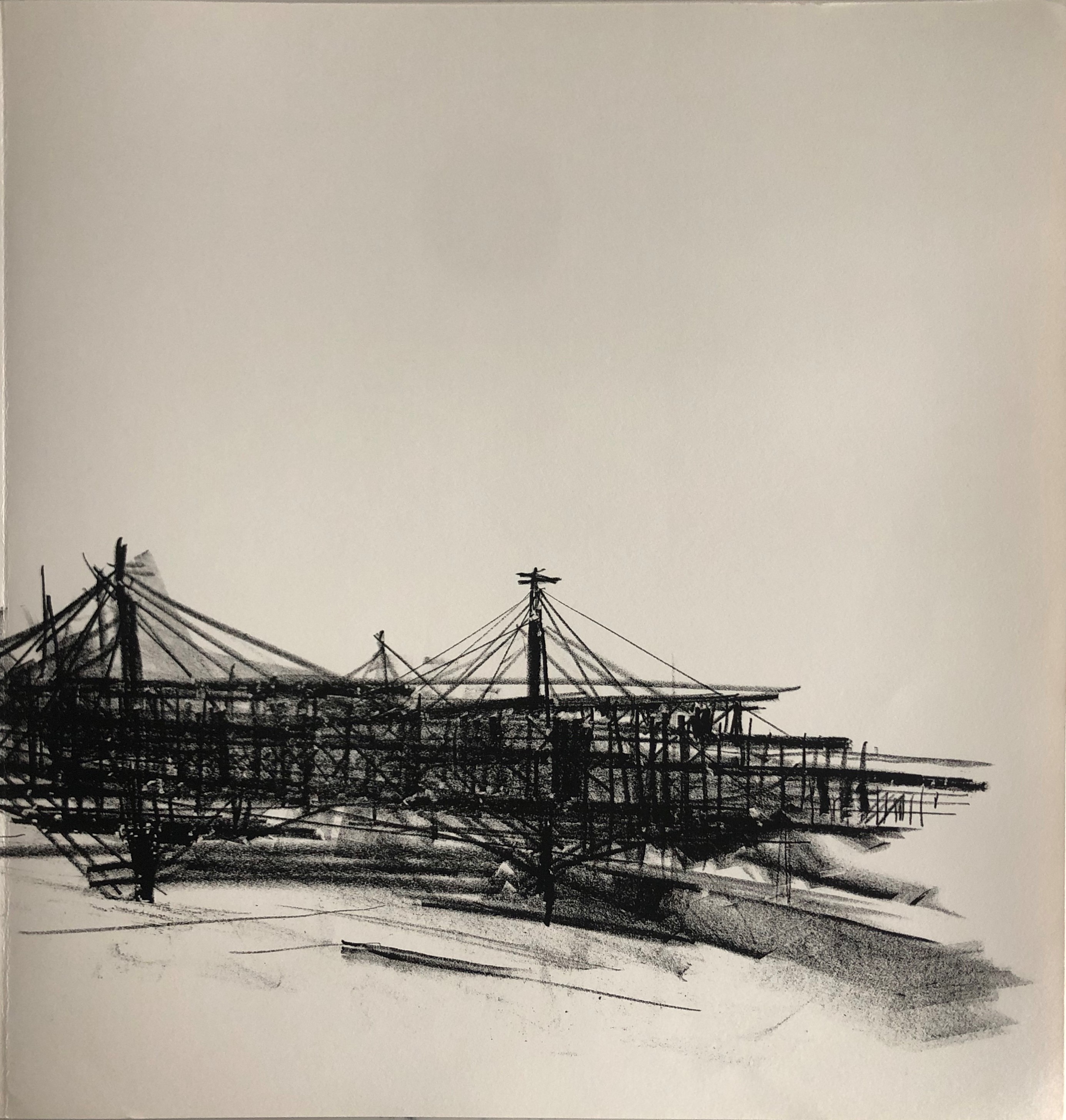
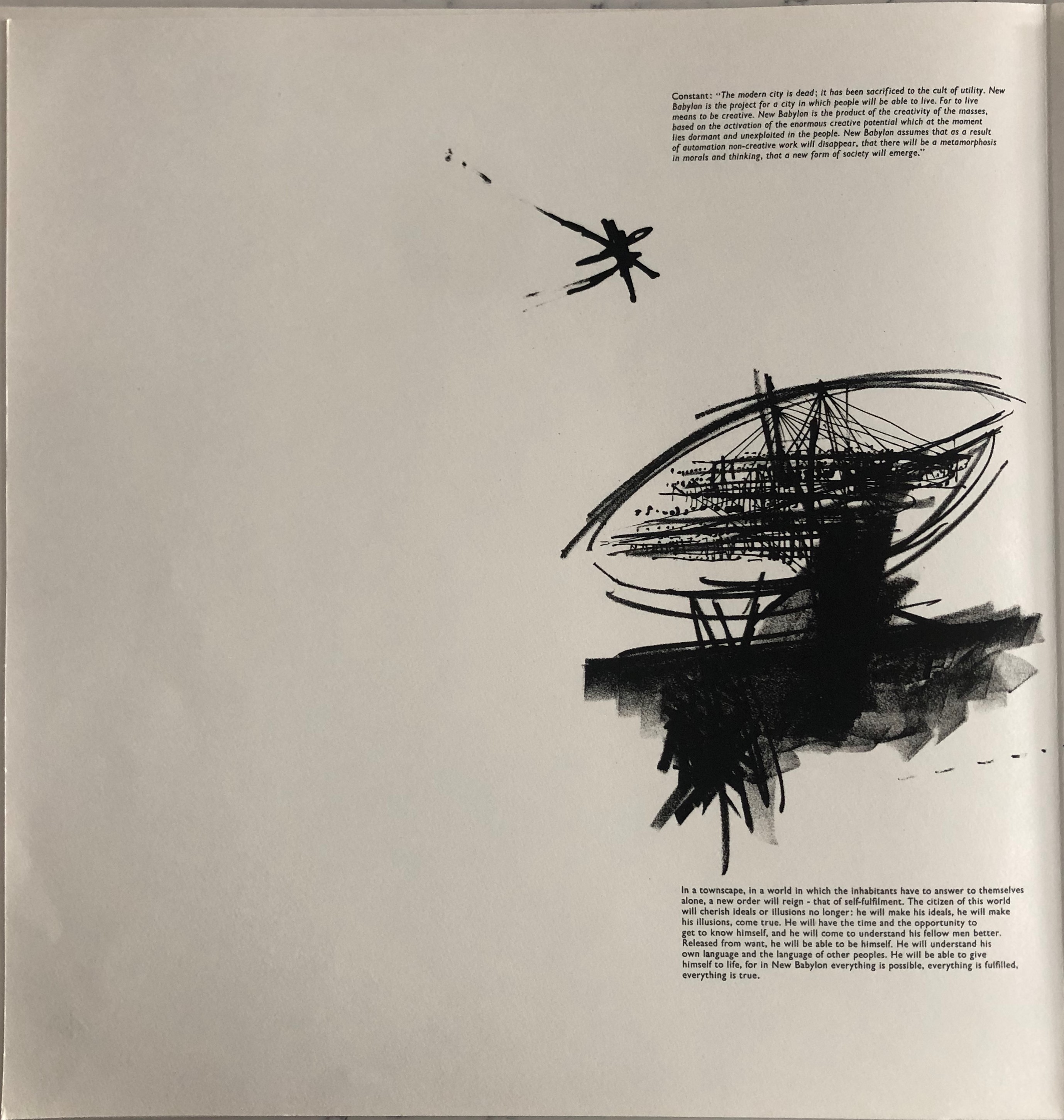
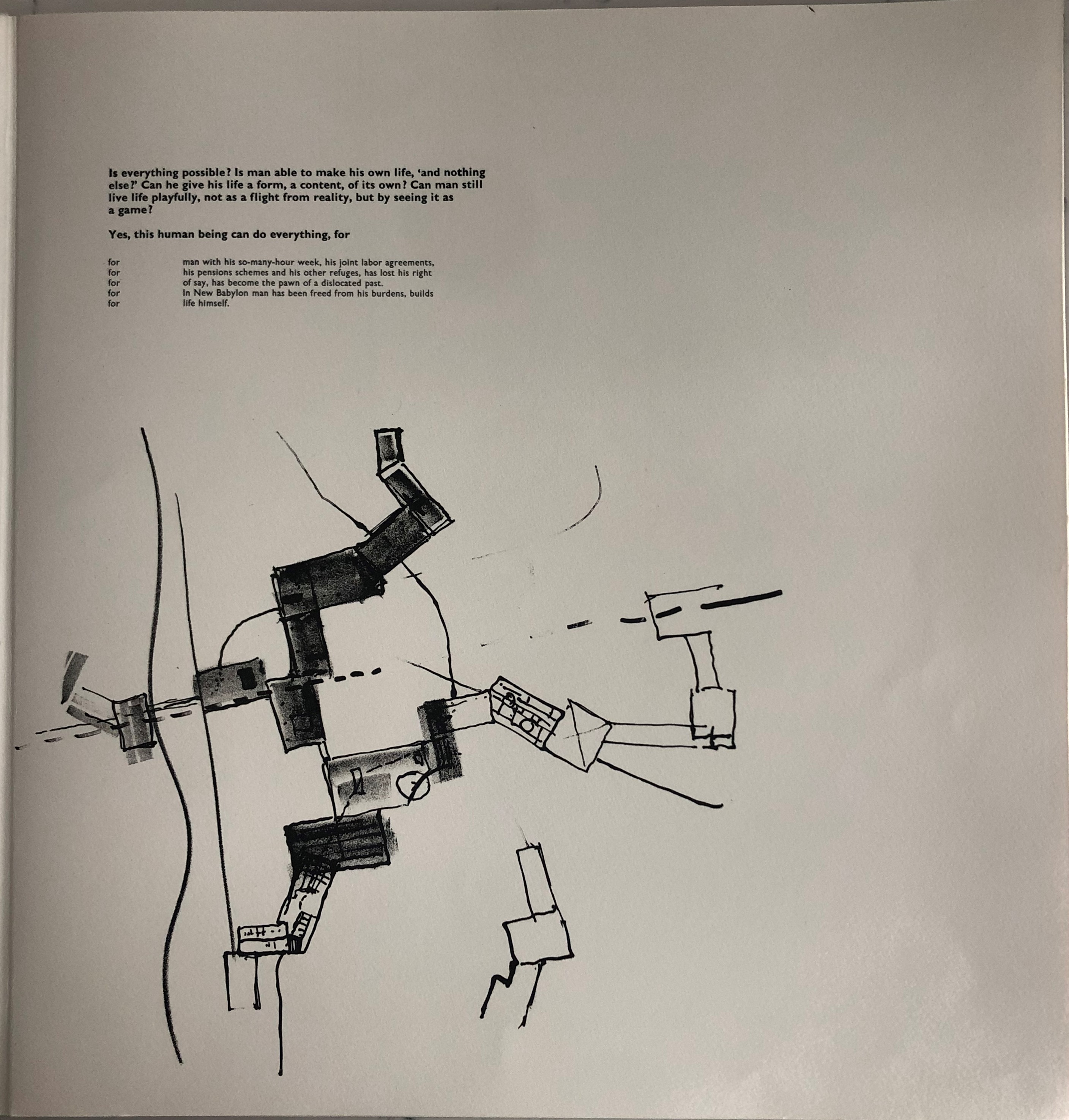
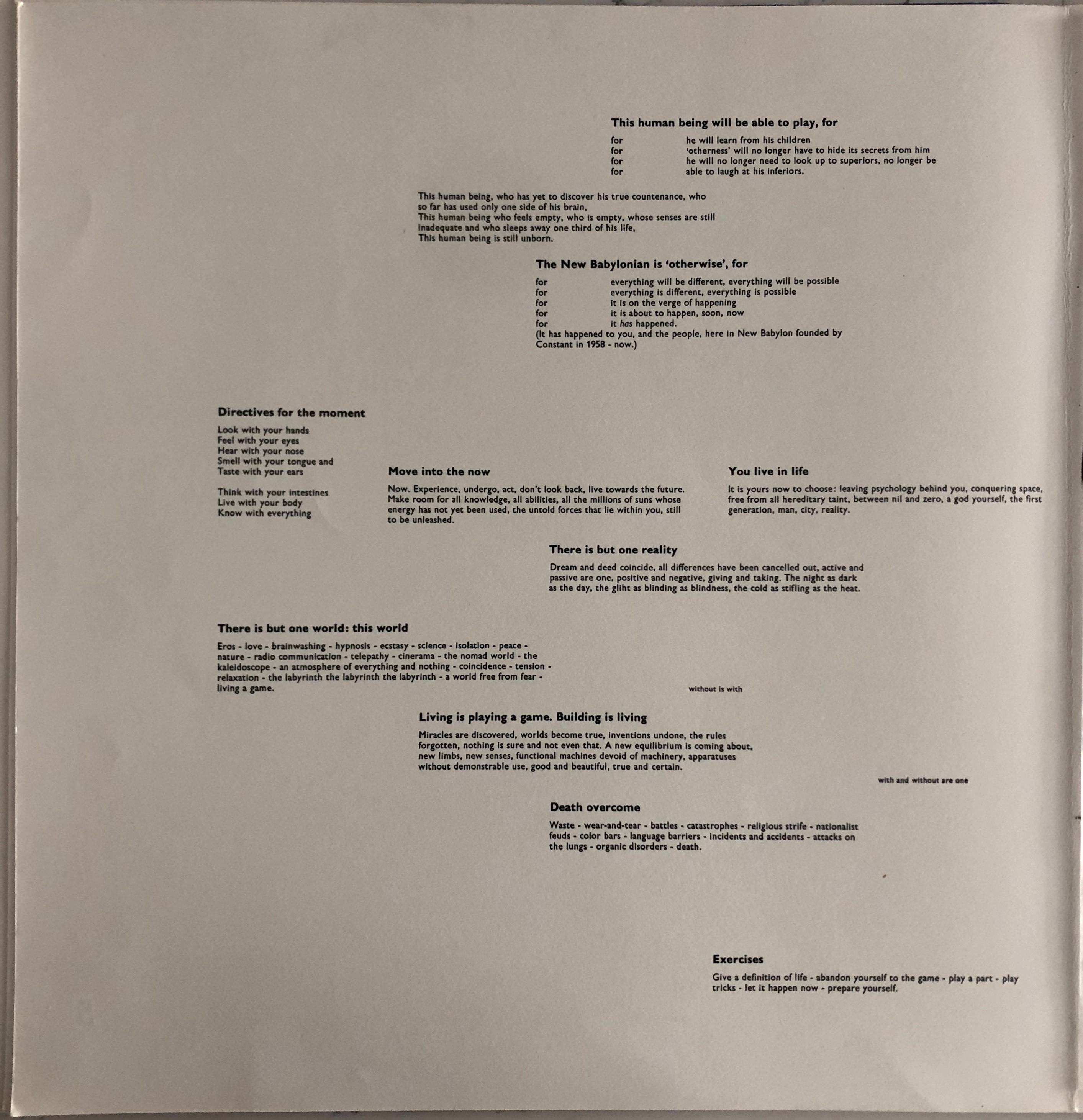
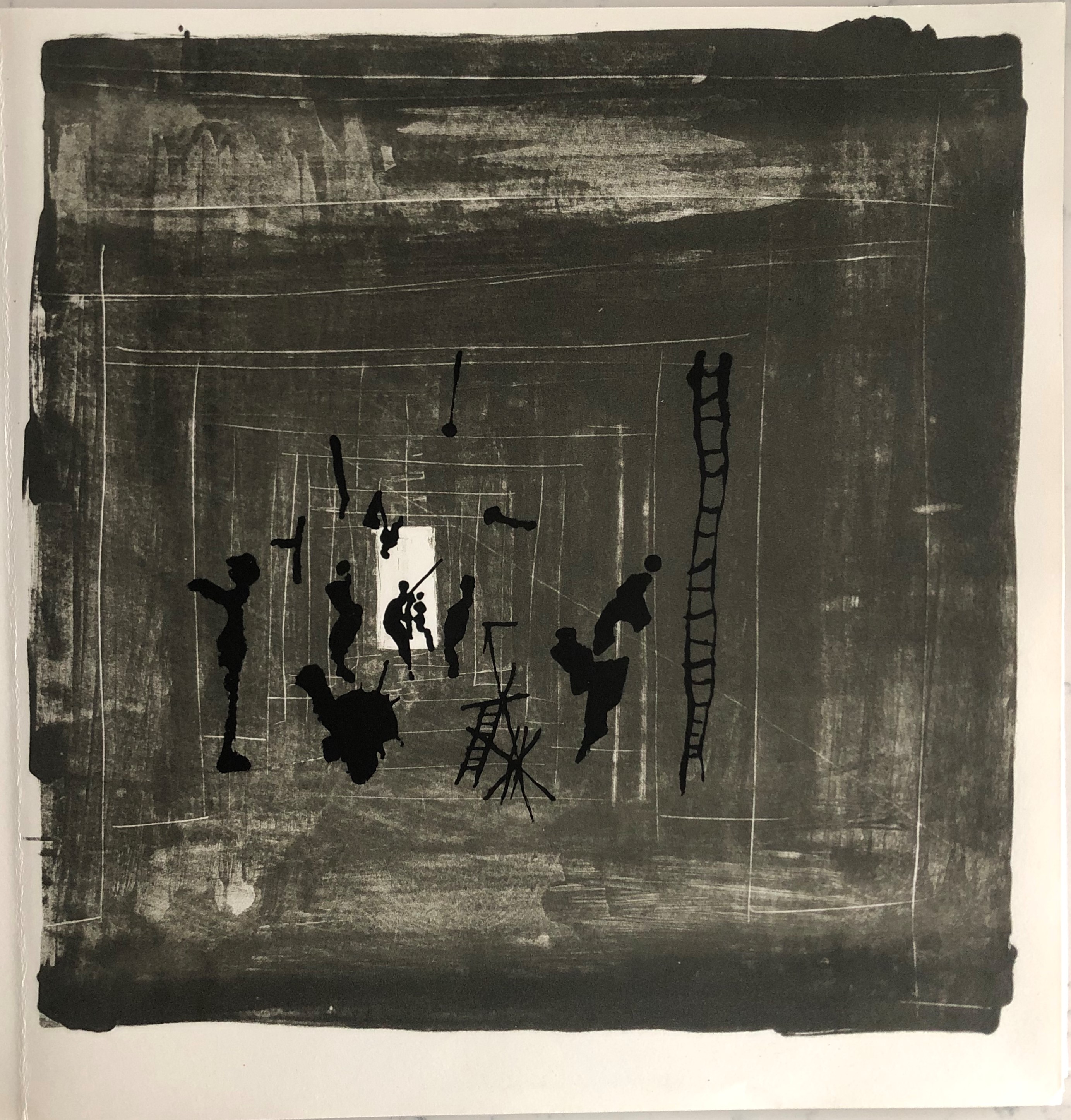
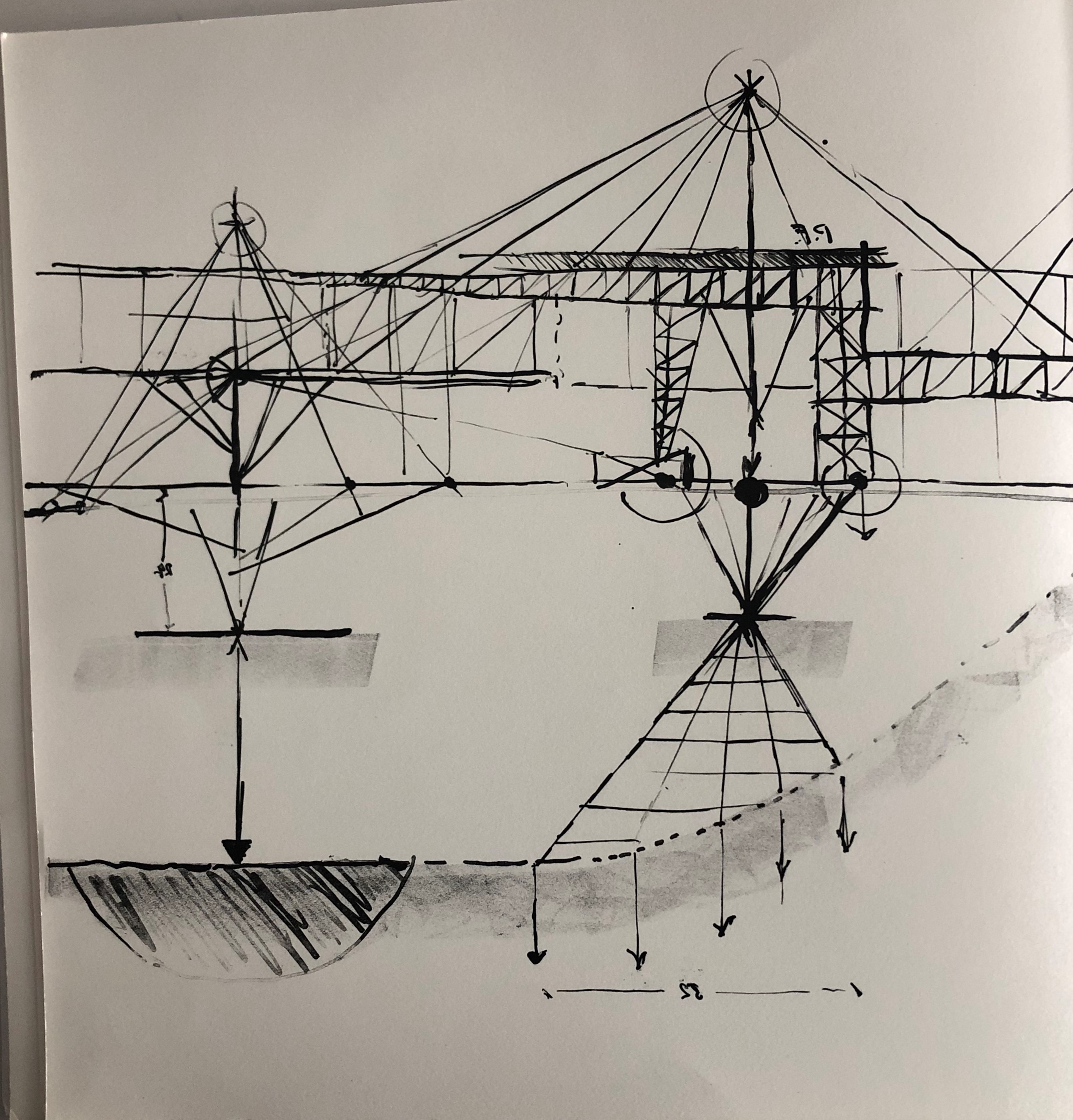
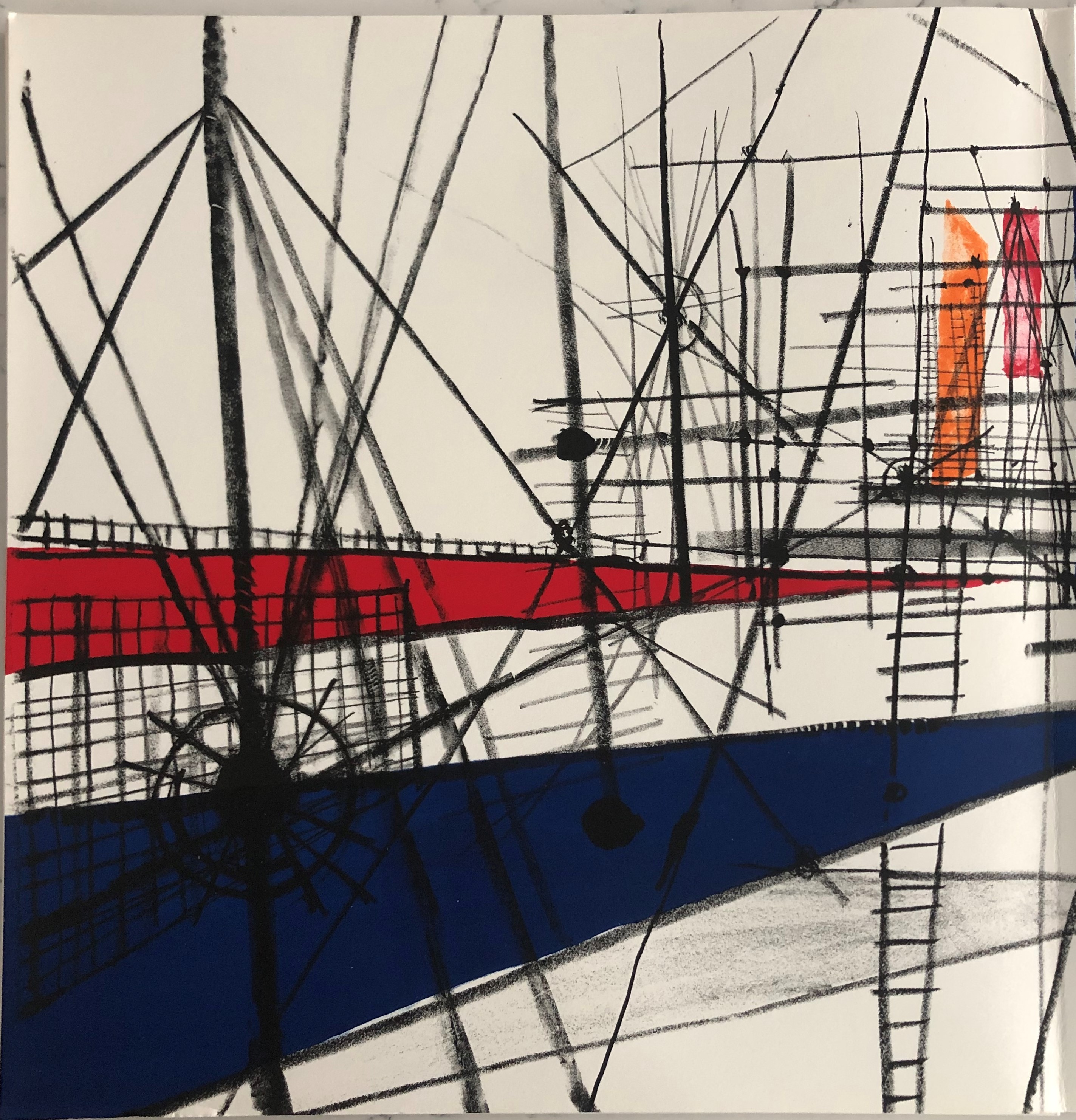
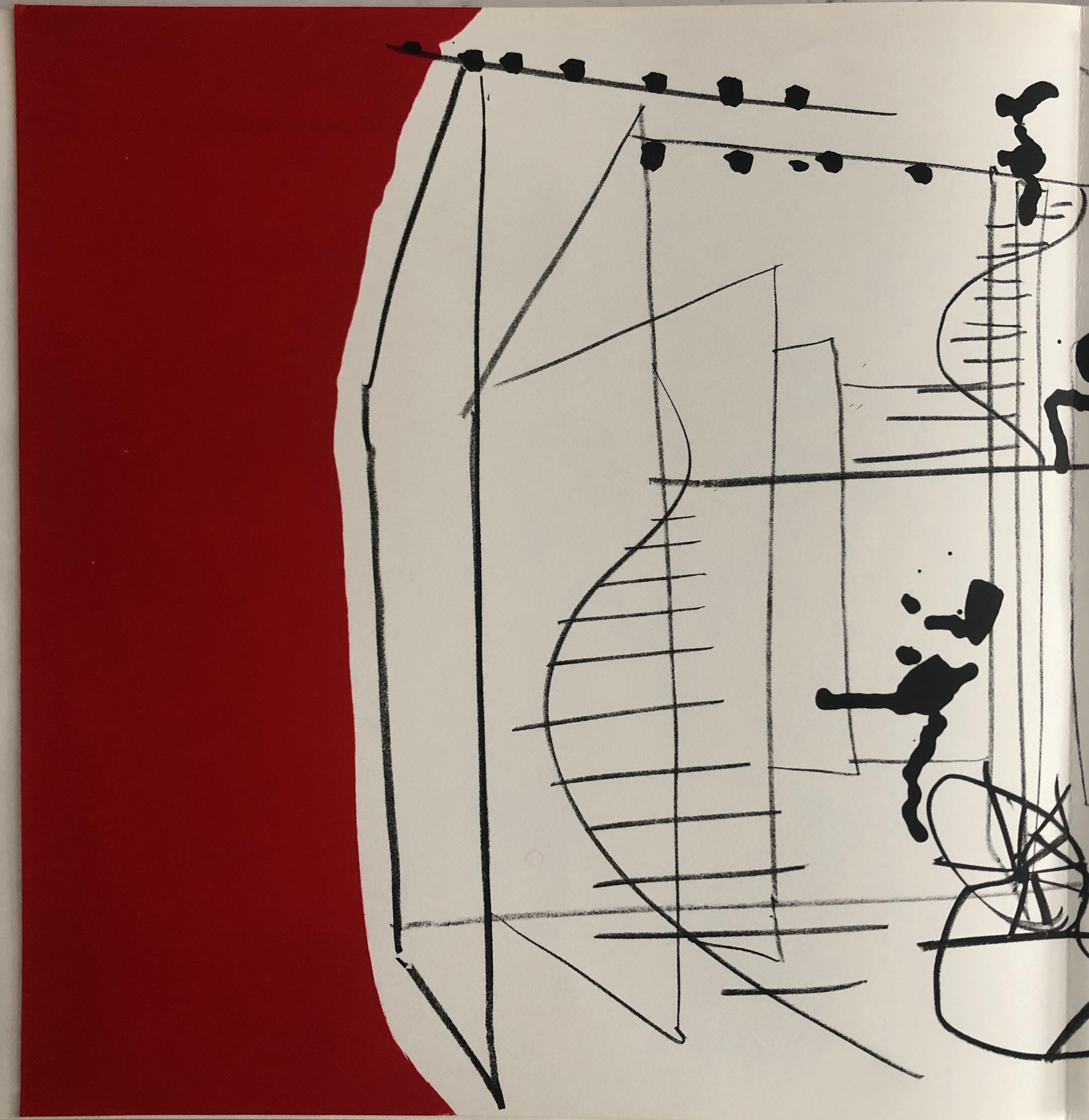
CONSTANT (Nieuwenhuys). New Babylon. Amsterdam: Galerie d’Eendt, 1963. 10 lithographs on Hahnemühle-Bütten paper, loosely inserted in black original cloth boards with blindtooled title. Portfolio housed in a blue cloth portfolio container (41 cm. x 39 cm.). Text by Simon Vinkenoog. Signed at the colophon by both Constant and Vinkenoog. Edition of 60; this one is e1.
Spectacular artist portfolio by Constant, realized at the height of his New Babylon period. Accompanied by the text “Preeambuul bij een nieuwe wereld” (Preamble to a new world) by Simon Vinkenoog. Some of the lithographs are full-sheet (40 x 76 cm.) while others are half-sheets (40 x 38 cm). The portfolio was produced in an edition of 60, with 10 copies numbered I-X (issued with an original drawing) and 50 copies numbered 1-50.
























 Situationniste Blog